Focused arrival windows
Useful updates and clear arrival timing.
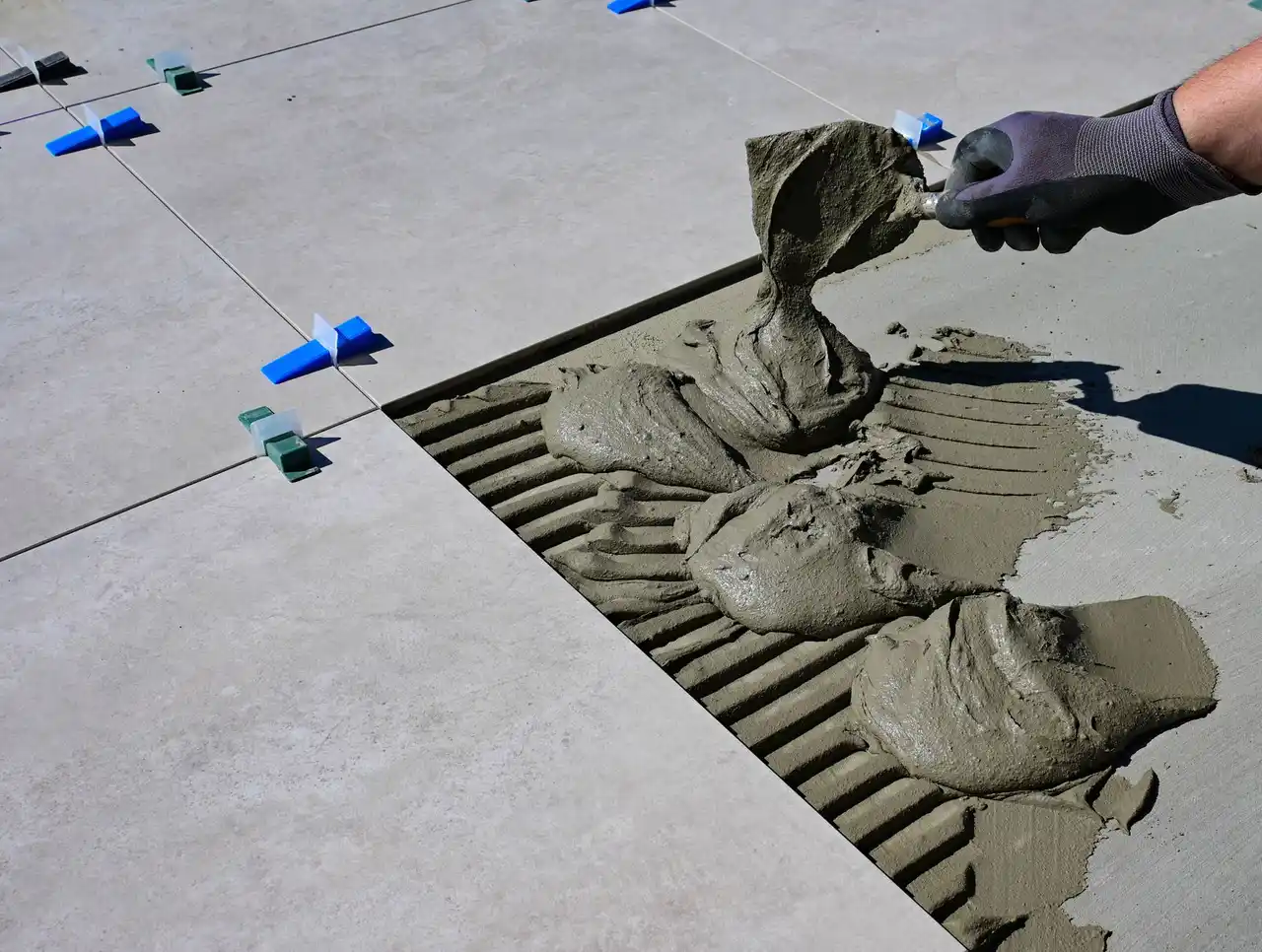
Slab Leak Under Tile Floor Repair Laguna Niguel CA starts with finding the exact break, not tearing up your whole floor. We use acoustic listening discs, thermal imaging, and pressure testing to mark the spot within inches, then open only the tile we need. If your water meter is spinning, your floor feels warm, or your bill jumped, call (949) 593-2386.
Useful updates and clear arrival timing.
Review the approach and price before deciding.
Equipped vehicles and respectful cleanup.
Neighbors serving neighbors with follow-through.
Every job is priced as a package so you know what you are paying for. Detection, repair, pressure testing, and tile restoration are all included. If the repair needs a reroute or the slab has structural cracking, we quote that separately before doing the work.
Acoustic microphone, thermal imaging, and pressure testing to mark the break within inches. You get a written location report before any tile is touched.
We lift only the tiles over the repair zone, usually 4 to 9 pieces. Surrounding tile stays intact, and we bag and haul all debris off-site.
Copper, PEX, PVC, or CPVC repair matched to your existing line. If rerouting is the better call, we price it and explain why before starting.
The repaired line holds 80 to 100 PSI for 30 minutes before we pour anything back. You get a test record with your invoice.
We backfill the access trench with concrete patching compound, level it, and let it cure so your tile sits flat and stays flat.
Matching tile reinstalled with fresh thinset and grout. Grout cures overnight, and we walk the finished floor with you before we leave.
Share what is happening and receive a clear next step from the local team.
Slab Leak Under Tile Floor Repair Laguna Niguel CA is the trade of locating and fixing a pressurized water line failure beneath a concrete slab that sits under ceramic, porcelain, or stone tile, then restoring the floor so it looks like nothing happened. Water lines run under your foundation, so a pinhole in copper or a cracked PEX fitting sends water up through the concrete and into the thinset under your tile. We isolate the line, confirm the break with a pressure gauge, and repair it at the source.
Most Laguna Niguel homes we open up were built between the 1970s and 1990s, when copper pipe under slab was standard. After decades of Orange County's hard water and soil movement, that copper thins from the inside out. Homeowners usually call us after three signals: a high water bill, a warm spot on the floor, or the water meter spinning with every fixture off. If you have been searching tile floor slab leak repair near me Laguna Niguel, we handle the detection, the concrete, and the tile.

Call (949) 593-2386 and describe what you are seeing: warm spot, spinning meter, damp grout lines, or a bill that doubled. We ask the right questions, give you a ballpark range, and book a same-day or next-day window. If water is actively surfacing, we treat it as an emergency and move you to the front of the schedule.
We shut the fixtures down and pressurize the system, then walk the slab with an acoustic microphone and a Fluke thermal imaging camera. A LeakTronics listening disc confirms the spot. This takes 45 to 90 minutes and tells us whether it is a hot water line leak under slab or a cold line, which changes the repair plan.
Once the break is marked, we score and lift only the tiles over the repair zone, usually a 2 by 3 foot area. A wet saw and a chipping hammer keep the cut clean so surrounding tile stays intact. We bag the debris and protect your flooring on the way out.
We cut a small access trench in the concrete, expose the failed section, and repair or reroute it with copper, PEX, or CPVC. A pressure gauge holds the line at 80 to 100 PSI for 30 minutes. If it drops, we keep working. Only a passing test gets concrete poured back.
We backfill with concrete patching compound, let it set, then reinstall matching tile with fresh thinset and grout. You get a walkthrough, a pressure test printout, and a written warranty. Most floors are walkable the same evening, with grout fully cured in 24 hours.

Listens for the specific frequency of pressurized water escaping a pipe. Narrows the break to a few inches before any tile comes up.
Shows temperature differences on the floor surface. Hot water line leaks show as a warm streak, cold line leaks as a cool patch.
Placed on the tile to amplify pipe noise. Confirms the exact spot when the acoustic microphone gives a general area.
Lets us look inside the pipe to see corrosion, joint failure, or scale buildup before we commit to a repair method.
Pressure gauge confirms the line holds after repair. Moisture meter checks the slab is dry before we reset tile.
Maps the path of under-slab lines so we know exactly where to cut and where to avoid.
Cuts clean access through concrete and tile with minimal damage to surrounding flooring.
We shut off fixtures and pressurize hot and cold lines separately at 80 to 100 PSI. A dropping gauge tells us which line is leaking and how fast, which directs the detection work.
We repair the failed section using copper, PEX, or CPVC matched to your existing pipe. Fittings are soldered or crimped to code, and the repair is pressure tested before concrete goes back.
When the under-slab line is too corroded to repair reliably, we reroute it through the attic or walls using PEX tubing. Your tile floor stays untouched, and the new line is accessible for future service.
For select copper lines with internal corrosion, epoxy pipe lining creates a new interior surface without full replacement. We assess whether your line qualifies before recommending it.
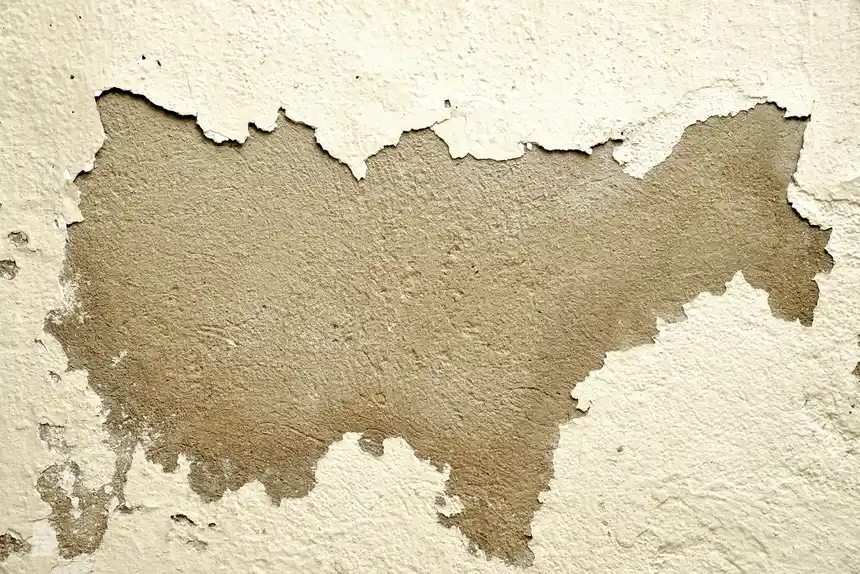
We run thermal imaging to confirm a hot water line leak under slab, lift the tiles over the break, repair the copper, and pressure test before resetting the floor. Warm spot gone, tile matched and reset, and a warrantied repair that holds pressure.
We isolate the system, use acoustic leak detection to find the break, and repair or reroute the failed line. Detection takes under 90 minutes. Bill returns to normal, and you get a written pressure test showing the line is sealed.
We check for moisture under the tile with a moisture meter, locate the under-slab break, repair the pipe, and dry the slab before resetting tile and grout. Dry, solid floor with fresh grout, and no more recurring dampness.
We run a full slab leak inspection with electronic detection and pressure testing, and give you a written report on findings and repair options. Clear answers before you close, and a repair quote if anything needs fixing.
Laguna Niguel sits on clay-heavy soil that expands and contracts with our dry summers and wet winters, and that movement stresses under-slab copper pipe. Add Southern California's hard water, which leaves scale inside the pipe and thins the walls over decades, and you get the pinhole leaks we see in homes built from the 1970s through the 1990s. Most of our tile floor slab leak repair Laguna Niguel CA calls come from those neighborhoods. We know the local building stock, we pull permits through Orange County when a reroute requires it, and we follow IAPMO Uniform Plumbing Code (UPC) pressure-test standards on every job. If you are searching how to fix a slab leak under tile in Laguna Niguel, the short answer is: find it first, cut small, test hard, and restore the floor to match.
Many homes here date to the late 1970s and have original copper under slab. We see hot water line leaks here more than cold.
Larger floor plans with tile throughout. Detection matters more here because a full floor replacement is expensive.
Homes built in the 1980s with copper service lines. We often find joint failure under kitchen and bathroom tile.
Newer builds with PEX in some sections. We check for fitting failures and pressure loss before recommending repair.
Sloped lots mean water can travel along the slab before surfacing. Detection takes a little longer but keeps tile removal small.
Seasonal soil movement shifts the slab and stresses pipe joints. This is a leading cause of under-slab leaks in Laguna Niguel and neighboring Orange County cities.
Scale builds inside copper pipe and thins the walls over time. We see pinhole leaks in 30 to 40 year old lines more than any other failure type.
Hot water lines under slab run warmer and expand more, which accelerates wear at joints and fittings. Thermal imaging picks these up quickly.
Most Laguna Niguel homes from this era still have original copper under slab. When one section fails, we inspect the rest of the line before recommending spot repair.
A Laguna Niguel homeowner noticed a warm strip across the kitchen floor and a water bill that jumped $140 in one cycle. Three tiles had started to sound hollow when tapped. The meter was spinning with every fixture off.
We located the hot water line break within 40 minutes using thermal imaging and an acoustic microphone. Six tiles came up, the copper was repaired, and the line held 90 PSI for 30 minutes. Tile reset the same day, floor level and matched.
Maintenance: Keep an eye on your water bill each cycle. A sudden jump is the earliest sign of a new leak. We recommend a slab leak inspection every 5 years on homes with original copper.
A homeowner in Aliso Viejo had grout lines that stayed dark no matter how often they cleaned. A moisture meter showed elevated readings under the tile. The cold water line under the slab had a joint failure that had been seeping for months.
We pinpointed the joint with a listening disc, lifted 4 tiles, replaced the failed fitting, and pressure tested at 100 PSI. The slab was dried with air movers before tile reset. Grout is now dry and the floor is solid.
Maintenance: Run a dehumidifier in bathrooms during wet months and check grout annually. If grout stays dark after cleaning, call for a moisture check before the damage spreads.
A Mission Viejo home had a copper line that had failed twice in three years. The owner was facing a third repair and a full floor replacement. The under-slab line was corroded along most of its run.
We rerouted the line through the attic using Uponor PEX tubing. No tile came up. The new line was pressure tested at 100 PSI and insulated. The owner avoided a $9,000 floor replacement and has an accessible line for future service.
Maintenance: Label the new line at the manifold and keep the reroute diagram with your home records. Have the line pressure tested every 3 to 5 years as part of routine plumbing maintenance.
A slab leak under tile does not fix itself, and the damage compounds the longer it runs. These are the problems Laguna Niguel homeowners call us about most.
Means an active leak is running 24/7. Left alone, it can add hundreds of dollars to your bill and saturate the soil under your foundation. We isolate the system, pressure test hot and cold lines separately, and pinpoint the break with acoustic and thermal gear. Most active leaks are located and shut down the same day.
A warm patch usually means a hot water line leak under slab. The heat also degrades thinset and can loosen tile from below over time. We confirm the hot line break, repair or reroute the failed section, and reset the tile. The warm spot is gone once the line is fixed and tested.
Moisture wicks up through the slab and into your tile, causing mold, musty odors, and eventually cracked or hollow-sounding tile. We trace the source with a moisture meter and infrared thermometer, repair the pipe, and dry the slab before resetting tile. No more damp grout.
Hidden under-slab leaks waste thousands of gallons before you notice. Many homeowners only catch it after two or three billing cycles. Our electronic slab leak detection finds breaks that leave no surface evidence. We locate the line, repair it, and give you a pressure test record for your records.
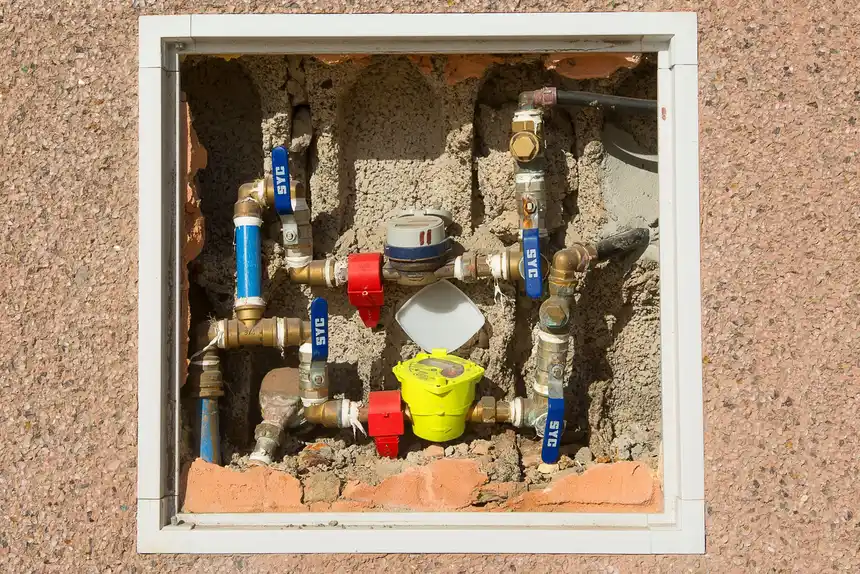
Our technicians are state-licensed plumbing contractors working under California Contractor License (C-36 Plumbing) and trained on IAPMO Uniform Plumbing Code (UPC) requirements for under-slab piping. We work on copper pipe, PEX tubing, PVC pipe, and CPVC pipe daily, and we carry the detection gear that separates a real leak location from a guess. Every repair is pressure tested and documented, and we follow OSHA safety certification standards on every concrete cut. We are also EPA WaterSense aware, so when we reroute a line we size it to cut waste, not add to it.
Typical 2026 pricing runs $650 to $3,200, with most single-line repairs landing between $1,100 and $1,900. Detection adds $250 to $450. Cost climbs with deeper concrete, hot water line leaks, and larger tile restoration areas. Rerouting a line instead of repairing it often lands in the same range and can be the better long-term call.
Not entirely, but we keep it minimal. We pinpoint the break first, then lift only the tiles directly over it, usually 4 to 9 pieces. If your tile is discontinued, we can sometimes reroute the pipe through the attic or walls and leave the floor untouched. We will tell you which option fits your situation before we start.
We pressurize the system, then use an acoustic leak detection microphone, a thermal imaging camera, and a listening disc to hear and see where water is escaping. A pressure gauge confirms whether it is the hot or cold line. The whole process takes 45 to 90 minutes and marks the break within a few inches.
Most jobs finish in one day. Detection runs 45 to 90 minutes, tile removal and pipe repair take 3 to 5 hours, and concrete and tile reset add another 2 to 3 hours. Grout cures overnight, so you can walk on the floor that evening and put weight on it the next day. Larger reroutes can run into a second day.
Not seeing your question? Our local team can help you understand urgency, scheduling and what to expect.
Ask the local team
The core fix for any under-slab pipe failure. If detection confirms a break under your tile, this is the repair that stops the water and protects your foundation from further saturation.
View serviceEvery tile floor job starts here. We use acoustic and thermal gear to mark the break before any tile comes up, so your repair stays small and your flooring stays intact.
View service
Water surfacing through tile at 2 a.m. is an emergency. We dispatch 24/7 across Laguna Niguel, shut the line down, and stabilize the slab before permanent repair.
View service
The general category that covers any pipe failure beneath your foundation. We handle copper, PEX, PVC, and CPVC lines with pressure-tested repairs and concrete restoration.
View service
Reach us at (949) 593-2386 any time, day or night. We answer live, ask the right questions about your water bill and floor symptoms, and dispatch a technician with detection gear. Most calls in Laguna Niguel and the 92677 area get a tech on site the same day.