Focused arrival windows
Useful updates and clear arrival timing.
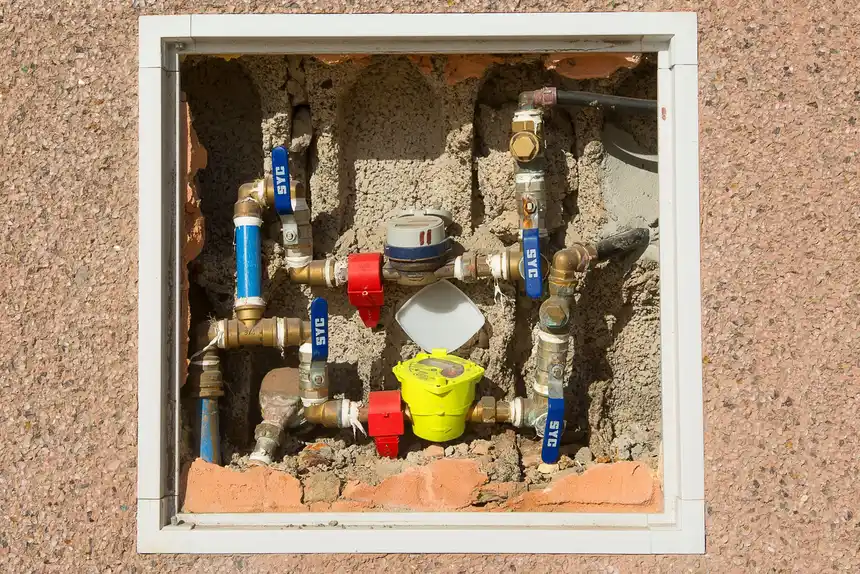
Slab Leak Pipe Repair Laguna Niguel CA means finding the exact break in your under-slab line, opening only the concrete you need to open, and restoring the pipe so your floor stops warming up and your water bill stops climbing. We handle hot and cold line failures in homes and businesses across Orange County, and we test every repair before we leave. Call (949) 593-2386 for same-day service.
Useful updates and clear arrival timing.
Review the approach and price before deciding.
Equipped vehicles and respectful cleanup.
Neighbors serving neighbors with follow-through.
Every slab leak pipe repair job we run includes the full scope from detection through patched concrete. We do not hand off parts of the job to subcontractors, and we do not leave you with an open hole in the floor waiting on someone else. Here is what you get when you book with us.
Acoustic microphone sweep, thermal imaging scan, and pressure testing to pinpoint the leak location before any concrete is cut. This typically takes 30 to 60 minutes and saves hours of exploratory demolition.
Clean access cuts with a wet saw to control dust, typically 18 to 24 inches square. We lift and set aside tile or flooring where possible so it can be reused after the repair.
Cutting out the failed section and splicing in new copper pipe, PEX tubing, or CPVC pipe with proper fittings and solder. We match the material to your existing system and the Uniform Plumbing Code requirements.
Holding the system at test pressure for a minimum of 15 minutes with a pressure gauge, plus moisture meter readings on the slab. We do not consider the job done until the system holds and the slab is drying.
Backfilling, patching with a proper concrete patching compound, and resetting your tile or flooring. The work area gets cleaned before we leave, and we haul away all debris.
You get a written summary of what we found, what we repaired, and the pressure test results, plus our warranty on the repair and workmanship. Useful for insurance claims and future reference.
Share what is happening and receive a clear next step from the local team.
Slab Leak Pipe Repair Laguna Niguel CA is the process of locating a failed water or drain line buried beneath your concrete foundation, exposing the damaged section, and restoring it so the line holds pressure again. Most homes here sit on post-tension or conventional slabs poured between the 1960s and 1990s, and the copper pipe inside them has been sitting in damp soil for decades. When a joint fails or the pipe wall thins out, water escapes under pressure and starts working its way up through the concrete.
We start with acoustic leak detection microphones and a thermal imaging camera to pin down the break within a few inches, then confirm with a pressure gauge and moisture meter. If you have been searching for under-slab pipe repair near me Laguna Niguel and getting vague answers, that is the difference: we tell you where the leak is before we cut anything. From there we either repair the section in place or reroute the line overhead, depending on pipe condition and how much floor you want opened.

We pressurize the system, then sweep the slab with an acoustic leak detection microphone and a thermal imaging camera. A listening disc on the floor picks up the hiss of escaping water, and the infrared camera shows the warm spot from a hot line leak. This takes 30 to 60 minutes and tells us exactly where to cut.
We mark the repair zone, lay drop cloths, and cut a clean access patch through the concrete with a wet saw to control dust. On tile floors we lift and set aside the tile so it can be reused. Most access cuts take under an hour, and we keep the opening as small as the repair allows.
Once the pipe is exposed, we inspect the surrounding section for corrosion and joint failure. If the pipe is sound, we cut out the damaged section and splice in new copper or PEX with proper fittings. If the run is too far gone, we reroute the line overhead through the attic or walls instead of chasing leaks across the slab.
We restore water, bleed the lines, and hold the system at test pressure for a minimum of 15 minutes. A pressure gauge confirms there is no drop, and a moisture meter confirms the slab is drying. If anything reads wrong, we keep working until it does not.
We backfill, patch the concrete with a proper patching compound, and reset your tile or flooring. The site gets cleaned before we leave, and we walk you through what we found, what we repaired, and what to watch for. You get the full report and our warranty in writing.
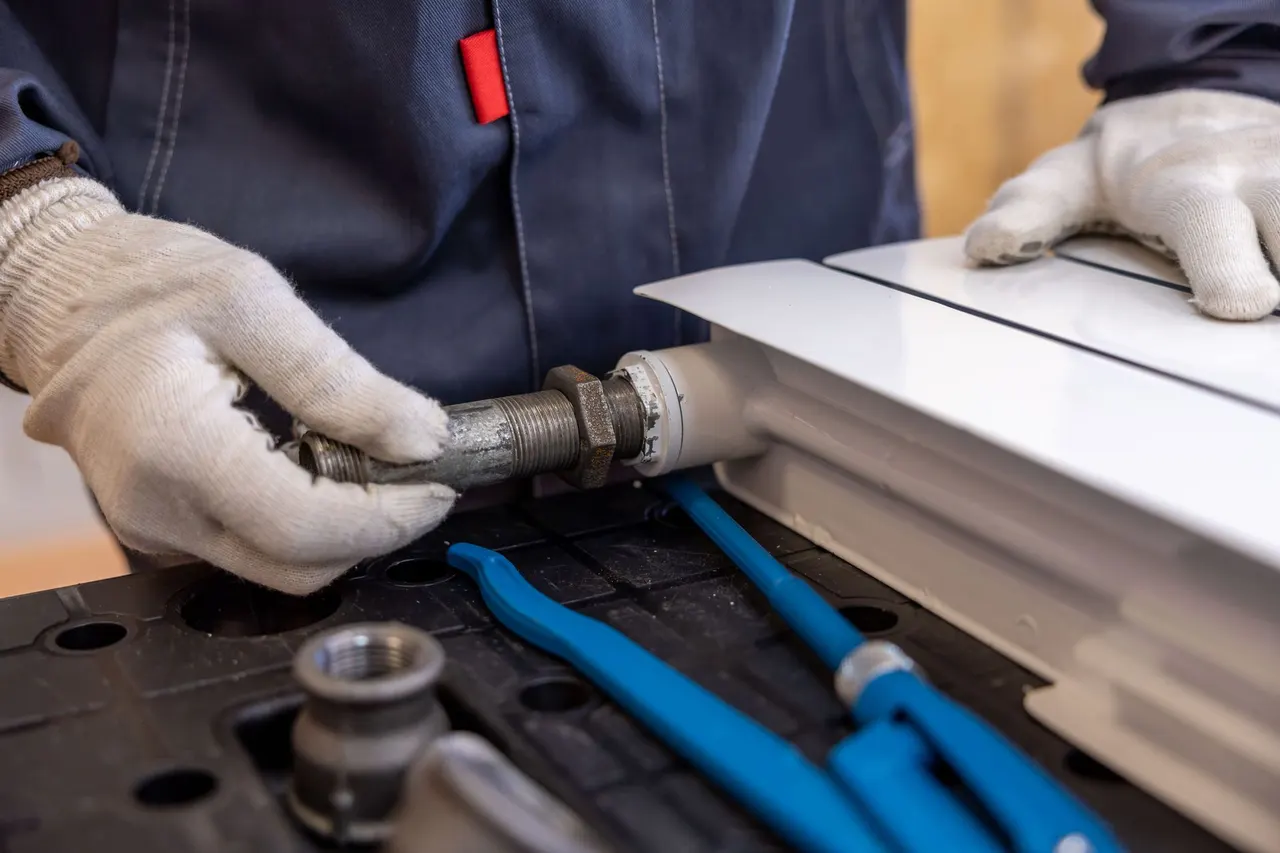
Listens for the sound of water escaping under pressure through the slab. We use a listening disc on the floor to amplify the signal and narrow the leak location to within a few inches.
Detects temperature differences on the slab surface caused by hot water line leaks. The warm spot shows up clearly on the infrared image, confirming the leak location before we cut.
Feeds a camera into the pipe to inspect the interior walls for corrosion, joint failure, and scale buildup. We use it to decide whether a spot repair will hold or if the whole run needs replacing.
Amplifies the acoustic signal from the leak and filters out background noise. This is what lets us hear a pinhole leak through six inches of concrete in a noisy neighborhood.
Confirms the system holds pressure after the repair and measures the moisture content of the slab. We do not call a job done until the pressure holds and the slab is drying.
Maps the exact path of the under-slab pipe so we know where to cut and where to avoid. This prevents accidental damage to other lines during the access cut.
Allows us to repair or line the pipe with minimal excavation in certain situations. When the pipe condition allows it, this can reduce the access size and speed up the repair.
We pressurize the system, sweep the slab with an acoustic microphone, and cross-reference with thermal imaging. This combination catches both hot and cold line leaks and confirms the location before any concrete is cut.
Every repair is done to Uniform Plumbing Code standards, including proper material matching, correct fitting types, and pressure testing. This ensures the repair passes inspection and holds up long-term.
We inspect the surrounding pipe with a video camera and assess corrosion levels. If the pipe is sound, we do a spot repair. If it is degraded, we recommend rerouting overhead to avoid repeat leaks.
After the repair, we hold the system at test pressure for a minimum of 15 minutes and record the results. You get a written report with the pressure test data and moisture readings.
We run a thermal imaging scan to confirm the hot water line leak, isolate the line at the manifold, and cut a small access patch through the tile. We repair the copper section, pressure test the hot side, and reset the tile. The warm spot is gone, the water heater stops short-cycling, and your gas bill drops back to normal within a month.
We isolate the system to confirm the leak is under the slab, then use acoustic detection to pinpoint the break. If the pipe is sound around the leak, we do a spot repair. If it is corroded throughout, we reroute the line overhead through the attic. The leak is stopped, the meter stops spinning, and your next water bill reflects normal usage instead of thousands of wasted gallons.
We perform a full slab leak inspection with pressure testing and electronic detection, document the findings in a written report, and complete the repair before closing. The report includes before-and-after pressure test results. You have documentation showing the repair was done correctly, which satisfies the buyer's inspector and keeps the sale on track.
We respond after hours to avoid disrupting business, isolate the leaking line, and complete the repair overnight. We coordinate with the property manager on access and provide a written report for the tenant file. The tenant opens for business the next morning with a dry floor, and the property manager has documentation for the repair.
Laguna Niguel sits on a mix of hillside terrain and valley floor, and the soil conditions vary enough that we see different leak patterns depending on where you are. Homes in the hills often have copper lines that have been sitting in expansive clay soil, which shifts with moisture and puts stress on pipe joints. Homes closer to the valley tend to have more issues with soil settling and slab movement. The housing stock here runs from 1960s ranch homes to newer builds from the 2000s, and the pipe materials vary accordingly. We work with copper pipe, PEX tubing, and CPVC pipe, and we match the repair to what your home already uses. If you need slab leak pipe repair in Laguna Niguel CA cost information, we give you the number upfront before we start. For under-slab pipe repair near me Laguna Niguel 24/7 calls, we cover ZIP codes 92677 and 92607 and can usually be on site the same day.
Mix of older ranch homes and newer builds with varying pipe materials. We see a lot of copper line failures in the older sections and PEX in the newer ones.
Hillside homes with expansive clay soil that shifts with moisture. Pipe joints take more stress here, and we see more joint failures than pinhole leaks.
Mostly 1980s and 1990s construction with copper supply lines. These are hitting the age where corrosion-related leaks become common.
Custom homes with larger slabs and longer pipe runs. Leak detection takes longer here because the lines travel farther, but the detection equipment handles it.
Soil movement puts stress on pipe joints and can cause joint failure even in relatively new copper lines. We see more joint leaks than pinhole leaks in these areas.
Copper lines from this era are reaching the end of their service life. We inspect the surrounding pipe carefully before deciding whether a spot repair will hold or if rerouting is the better call.
Most homes here are built on slab-on-grade, which means any under-slab leak requires concrete access. We keep the access patch as small as possible and patch it properly.
Higher ground temperatures in summer put more stress on hot water lines. We see an uptick in hot water line slab leak calls from June through September.
A homeowner in Laguna Niguel noticed a warm spot on the hallway floor and their water heater was running constantly. The water bill had gone up $120 in one month. We confirmed a hot water line leak with thermal imaging and acoustic detection.
We cut an 18-inch access patch, replaced the failed copper section, and pressure tested the hot side. The warm spot was gone immediately, and the water bill returned to normal the next cycle. Total job time was six hours.
Maintenance: We recommended checking the water heater anode rod annually and monitoring for any new warm spots. If the rest of the hot line shows corrosion on future inspections, rerouting may be worth considering.
A family in Laguna Hills had a water bill that jumped from $90 to $310 in one cycle. The meter was spinning with all fixtures off. We isolated the system and confirmed a cold water line leak under the kitchen slab.
The pipe was too corroded for a reliable spot repair, so we rerouted the line overhead through the attic. No concrete was cut. The meter stopped spinning immediately, and the next bill was back to $95.
Maintenance: We advised the homeowner to keep an eye on the attic run during extreme heat and to schedule a pressure test annually. The new PEX line carries a manufacturer warranty.
A homeowner in Mission Viejo noticed water seeping up through the bathroom tile and a musty smell. The leak had been running long enough to saturate the soil under the slab. We located the break with electronic detection and confirmed with a moisture meter.
We lifted the tile, cut a 20-inch access patch, repaired the failed pipe section, and pressure tested the line. The concrete was patched, the tile was reset, and the moisture readings dropped to normal within a week.
Maintenance: We recommended running the bathroom exhaust fan regularly and checking for any new moisture on the tile. An annual slab leak inspection is a good idea for homes of this age.
Slab leaks show up in different ways depending on which line is failing and how long it has been leaking. Here are the most common problems we get called for, and what happens if you let them go.
A pinhole leak in an under-slab line can waste 10,000 to 30,000 gallons a month. That is $80 to $200 added to your bill every cycle, and the water is eroding soil under your foundation the whole time. We isolate the leaking line with pressure testing, locate the break with acoustic detection, and repair the failed section. Most customers see their bill return to normal the very next billing cycle after the repair.
A warm spot means a hot water line is leaking under the slab. The heat is transferring through the concrete, and the constant moisture is degrading the slab and any flooring adhesive above it. We confirm the hot line leak with a thermal imaging camera, cut a precise access patch, and repair the copper or PEX section. We pressure test the hot side separately to confirm the fix before patching.
Visible moisture on the slab means the leak has been running long enough to saturate the soil and work its way up. At this stage you are looking at potential foundation cracks and mold growth if it is not addressed. We use a moisture meter to map the affected area, locate the source with electronic detection, and repair the pipe. We also check for foundation crack from leak damage and address any concrete issues as part of the repair.
A spinning meter with everything shut off means water is moving somewhere it should not be. If you cannot find a visible leak, it is almost certainly under the slab, and every hour it runs adds to the damage. We perform a full system isolation test to confirm the leak is on the under-slab portion, then locate and repair it. If the line is too far gone for a spot repair, we reroute it overhead instead.
That hissing or running sound is water escaping under pressure. It usually means a pipe joint failure under slab or a pinhole in the line wall, and it will only get worse as the opening enlarges. We use a listening disc and acoustic microphone to trace the sound to its source, then confirm with a video pipe inspection camera. Once located, we repair the section and pressure test the line.
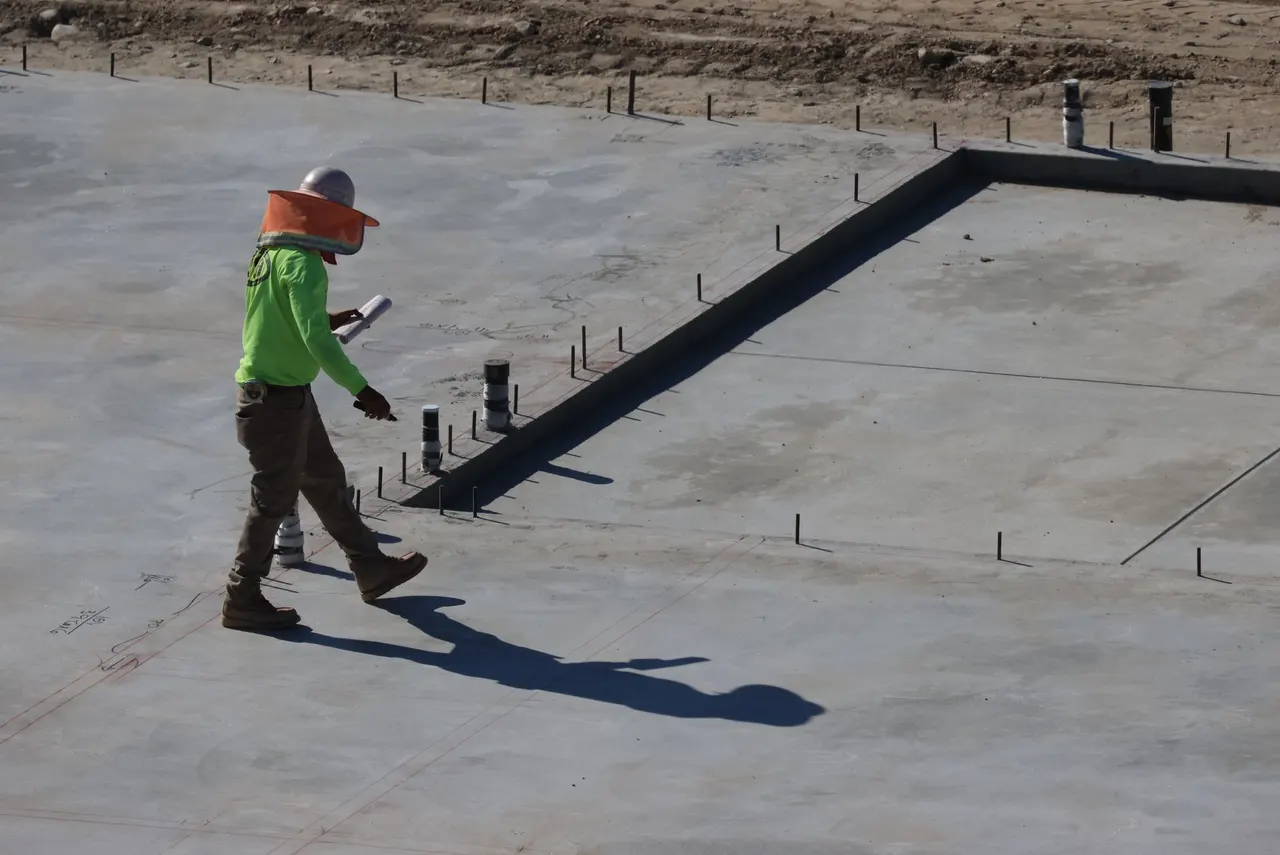
Our technicians hold California Contractor License (C-36 Plumbing) credentials and work to IAPMO Uniform Plumbing Code standards on every job. We carry Backflow prevention certification and follow OSHA safety certification protocols on every site. We have worked slabs across Laguna Niguel, Laguna Hills, Aliso Viejo, and the surrounding Orange County communities long enough to know how the soil, the slab thickness, and the pipe materials here behave. That local experience is why we can usually tell you whether a repair or a reroute makes more sense before we open the floor.
Most spot repairs run $1,200 to $3,500 in 2026, including detection, access, pipe repair, pressure testing, and concrete patching. A full reroute can run $3,500 to $8,000 depending on how far the line travels and how much drywall or attic work is involved. We give you the number before we cut.
Sometimes, yes. If the leak is on a line that can be rerouted overhead through the attic or walls, we can abandon the under-slab section and run new PEX or copper above. That avoids concrete work entirely. It depends on the layout of your home and which fixture the line feeds, and we will tell you which option fits after detection.
A straightforward spot repair takes four to eight hours from detection to patched concrete. Reroutes typically run one to two days because of the attic or wall work involved. Emergency calls get the leak isolated and stopped within the first hour, then we schedule the full repair.
Not always. If the surrounding pipe passes a video inspection and the corrosion is isolated to one section, a spot repair holds fine. If we find widespread wall thinning or multiple joint failures, replacing the run or rerouting it is the better call. We show you the camera footage so you can see the pipe condition yourself.
Not seeing your question? Our local team can help you understand urgency, scheduling and what to expect.
Ask the local team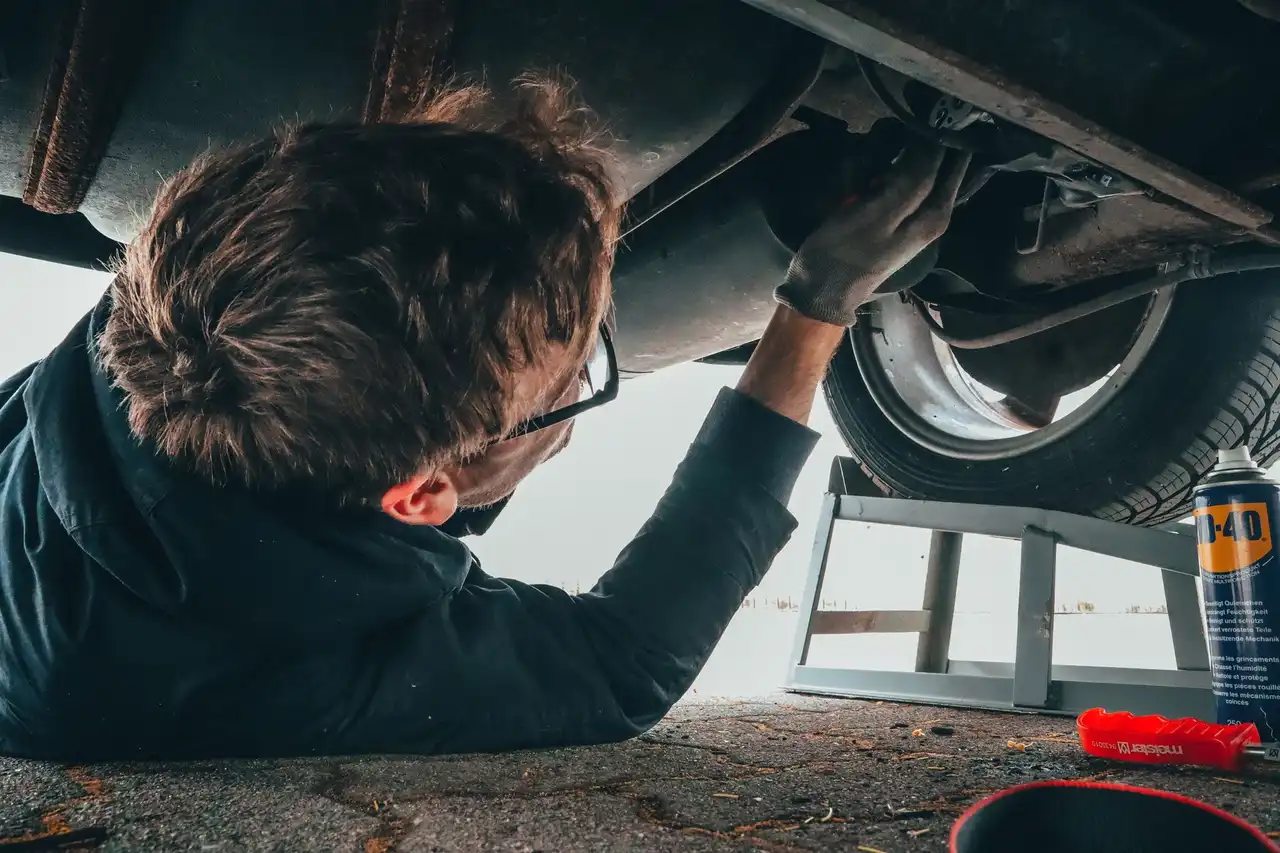
The broader repair service that covers any water line failure beneath your foundation, not just the pipe section itself. If detection points to a break in the line, this is the umbrella service that gets your slab dry again.
View service
Acoustic microphones, thermal imaging, and pressure testing pinpoint the leak before anyone cuts concrete. Every pipe repair job starts here, and it is what keeps our access patches small and your flooring intact.
View service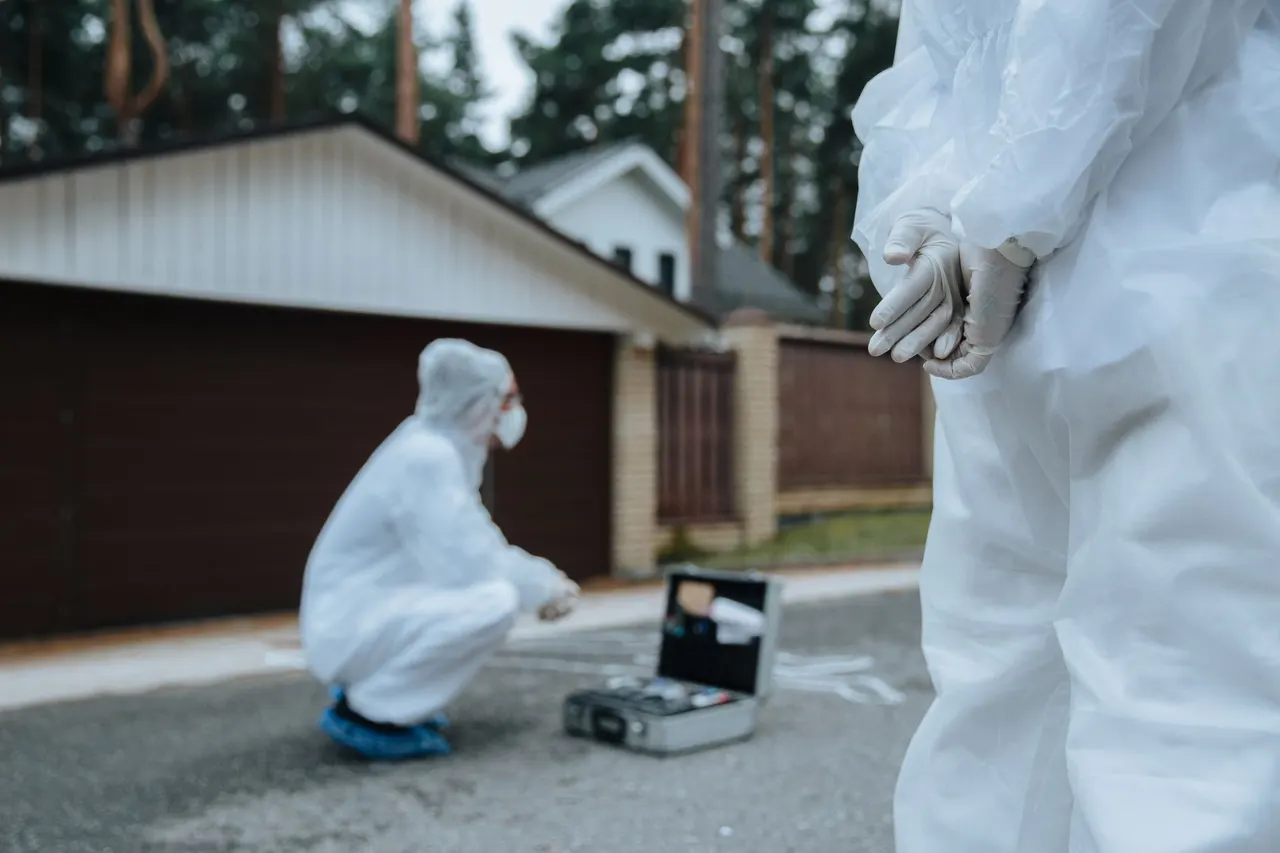
Active leaks that are flooding a room or spiking your meter need immediate attention. We run 24/7 emergency calls across Laguna Niguel, isolate the line, and stop the water damage before scheduling the full repair.
View serviceFocused work on the pipe runs buried directly beneath your concrete slab. This covers the same lines as pipe repair but frames the job around the under-slab environment and the soil conditions that caused the failure.
View service
Reach us at (949) 593-2386 any time, day or night. We answer live, ask the right questions about your water bill and floor symptoms, and dispatch a technician with detection gear. Most calls in Laguna Niguel and the 92677 area get a tech on site the same day.