Focused arrival windows
Useful updates and clear arrival timing.
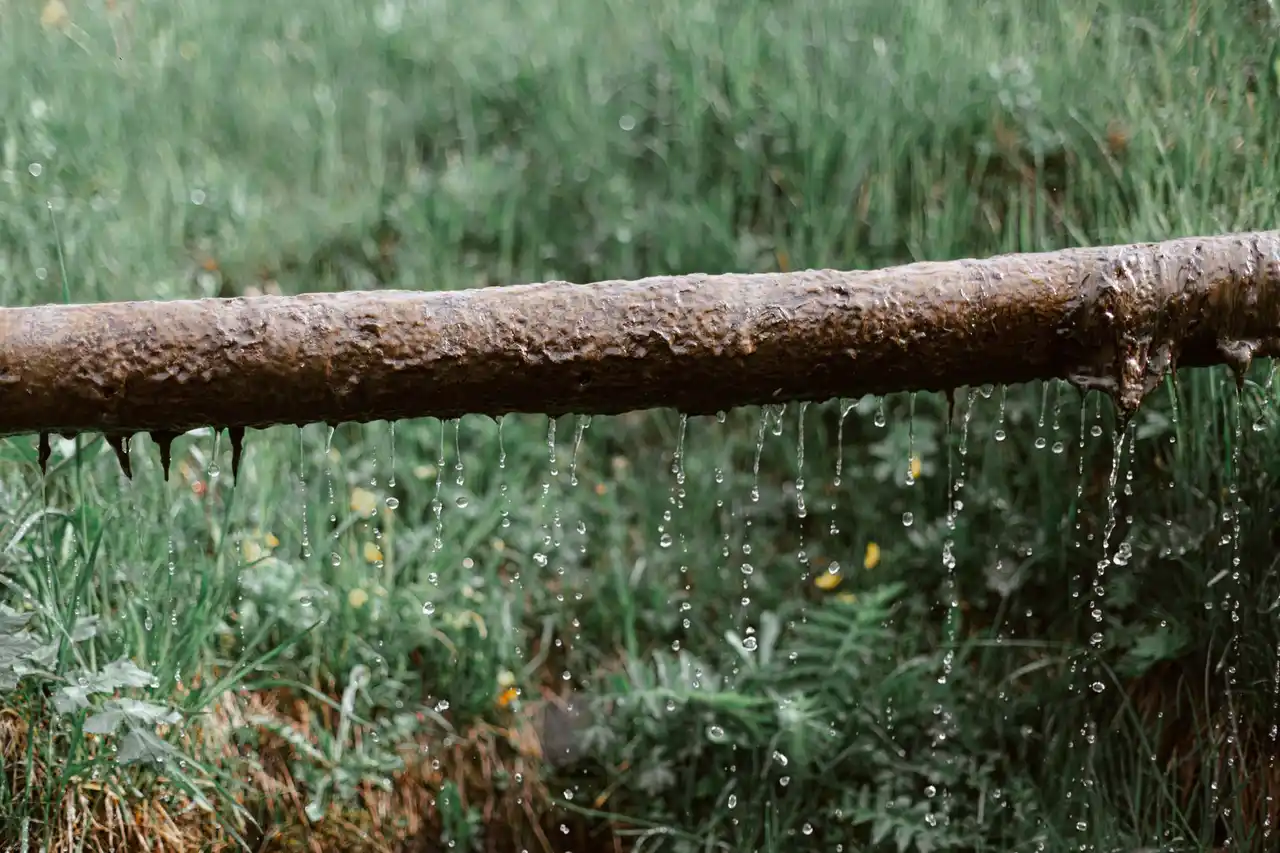
Cold Water Line Slab Leak Repair in Laguna Niguel is what you call when the water meter keeps spinning and no fixture is running. We pinpoint the break with acoustic and thermal gear, then fix it with the least concrete cutting possible. Whether you own a 1970s ranch home near Crown Valley or a newer build off Alicia Parkway, our licensed crew handles cold water slab leak repair Laguna Niguel CA homeowners trust for same-day results.
Useful updates and clear arrival timing.
Review the approach and price before deciding.
Equipped vehicles and respectful cleanup.
Neighbors serving neighbors with follow-through.
Every cold water line slab leak repair in Laguna Niguel we perform includes detection, repair, pressure testing, and concrete patching. You get a written scope and a flat price before we start. If the job needs a reroute instead of a spot repair, we quote that separately and let you decide.
We use an acoustic leak detection microphone, thermal imaging camera, and pressure gauge to confirm the cold water loss and pinpoint the break. Detection is included in every repair quote, not billed as a separate trip.
A pipe locator maps the cold water run under your slab so we know exactly where to cut. We mark the repair location on the floor before opening anything, so you can see the plan before we start.
We replace the failed section with matching material or transition to PEX tubing with proper fittings. If a reroute makes more sense, we abandon the under-slab run and pull new line overhead. Both options are quoted upfront.
After the repair, we hold the line at 100 psi for a minimum of 30 minutes and log the reading. You get the before-and-after numbers in writing. If it does not hold, we do not close the slab.
We patch the access point with a concrete patching compound matched to your slab and let it cure properly before flooring goes back. A rushed patch is a future crack, so we do not cut that corner.
Every repair carries a written warranty on parts and labor. We also document the repair location and pipe material so any future work on your home knows what is under the slab and where.
Share what is happening and receive a clear next step from the local team.
Cold Water Line Slab Leak Repair in Laguna Niguel is the process of locating a pressurized cold water pipe failure beneath your concrete foundation, exposing or bypassing the damaged section, and restoring the line so it holds pressure again. The cold side is the pipe carrying water into your home from the meter. When it fails under the slab, water wicks into the soil, the concrete, and eventually your flooring. We use an acoustic leak detection microphone and a thermal imaging camera to hear and see the leak before we cut anything.
Most Laguna Niguel calls start the same way: a water bill that jumped $80 to $200 in one cycle, a warm or damp spot near the hallway, or the meter spinning with every faucet off. Homes built in the 1970s and 1980s around Niguel Road often have original copper pipe that has pitted from decades of hard Orange County water. If you need cold water line leak detection Laguna Niguel CA residents can schedule the same day, we pressure-test the system, map the line with a pipe locator, and give you a straight answer on repair versus reroute.
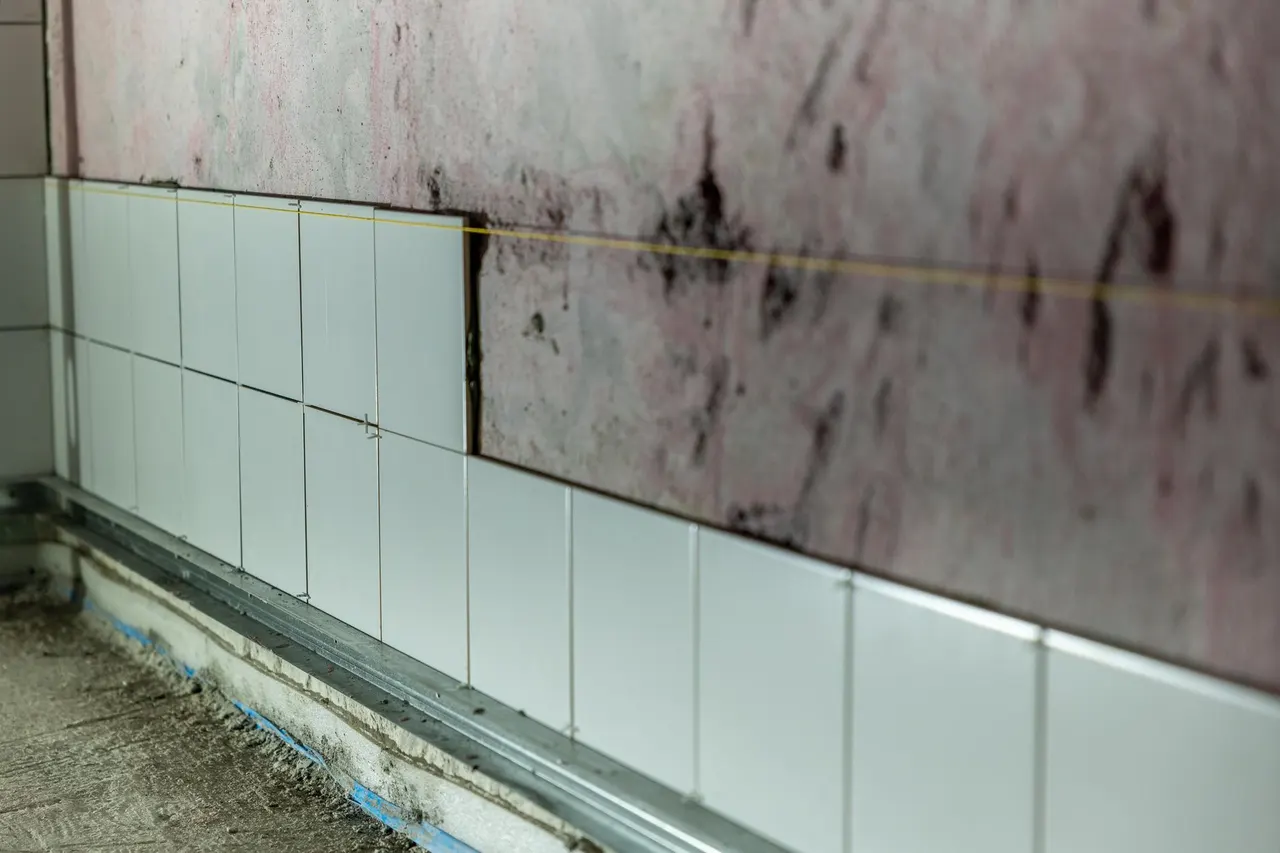
Call (949) 593-2386 and describe what you are seeing: high bill, warm spot, meter spinning, or water at the baseboard. We ask a few questions, give you a realistic arrival window, and tell you how to shut off the main if water is actively rising. Most Laguna Niguel calls get a same-day slot.
We start with a pressure gauge on the cold side to confirm the loss, then sweep the slab with an acoustic leak detection microphone and a thermal imaging camera. A pipe locator maps the line so we know exactly where to open. Detection usually takes 45 to 90 minutes.
You get two options in plain language: spot repair at the failed section, or reroute the line through the attic or walls to bypass the slab entirely. We quote both, explain the trade-offs, and you pick. No work starts until you approve the number.
For a spot repair, we cut a small access point, replace the failed copper or transition to PEX tubing with proper fittings, and pressure-test to 100 psi. For a reroute, we abandon the under-slab run and pull new line overhead. Most repairs take four to eight hours.
We hold pressure for a minimum of 30 minutes, check every joint with a moisture meter, then patch the concrete with a proper patching compound matched to your slab. You get before-and-after pressure readings and a written warranty on the repair before we leave.
Listens for the specific frequency of pressurized water escaping a pipe under concrete. This is how we narrow the break to a small area before any cutting.
Shows temperature differences on the slab surface caused by a cold water leak. Pairs with the acoustic gear to confirm the location from a second angle.
Inspects the inside of accessible pipe runs to check for corrosion, joint failure, or debris. Helps us decide between spot repair and reroute.
Maps the cold water line path under the slab so we know exactly where the pipe runs. Prevents cutting in the wrong spot and protects other buried utilities.
Confirms the leak is active and on the cold side, then verifies the repair holds. We log before-and-after readings so you have documentation.
Specialized electronic leak detection gear for slab and underground lines. Used alongside acoustic and thermal tools for a three-point confirmation.
We shut off the cold side at the main, pressurize the line, and watch the gauge. A drop confirms an active leak. This step tells us whether the problem is on the cold side, the hot side, or the drain before we go further.
We do not rely on one tool. The acoustic microphone hears the leak, the thermal camera sees the temperature signature, and the pipe locator maps the line. When all three agree, we cut with confidence instead of guessing.
For each job, we quote both a targeted spot repair and a full reroute. We explain the trade-offs in plain language: cost, lifespan, future risk. You pick the path that fits your budget and your plans for the home.
Every repair is done to IAPMO Uniform Plumbing Code (UPC) standards, including proper fittings, material transitions, and pressure testing. That matters for permits, resale, and insurance documentation.
Where the line is accessible from a single entry point, we use trenchless methods to minimize concrete removal. Less demolition means faster patching and less flooring to replace after the repair.
We run a meter test first to confirm the loss is on the cold side, then sweep the slab with acoustic and thermal gear. Once we pinpoint the break, we quote spot repair and reroute side by side so you can pick. You know exactly where the leak is, what it costs to fix, and your next bill drops back to normal.
We confirm whether the source is the cold line or the hot line, then locate the break with minimal access. We repair the pipe, dry the slab, and patch the concrete so your flooring contractor can reset the tile. The leak stops, the slab dries, and you only replace the tile directly over the repair.
We perform a full slab leak inspection with pressure testing, line mapping, and moisture readings, then give you a written report. If there is an active cold water leak, we quote the repair so you can negotiate with real numbers. You go into closing knowing exactly what is under the slab and what it will cost to fix.
We walk you through the reroute option honestly. Abandoning the under-slab copper and pulling new PEX overhead often costs more upfront but ends the cycle of repeated repairs. We quote both paths with real numbers. No more concrete cutting, no more surprise leaks, and a documented new line for future reference.
Laguna Niguel sits on a mix of clay and decomposed granite soil, and that matters for slab leaks. Clay holds water against the pipe and accelerates corrosion. Granite-heavy soil shifts with seasonal moisture, which stresses joints. Most of the housing stock here went up between the late 1960s and the 1990s, so a large share of homes still have original copper under the slab. Copper from that era has typically reached the end of its service life, which is why we see clusters of cold water line leak under slab Laguna Niguel calls in the same neighborhoods. Coastal humidity near the 92607 ZIP adds another factor: slabs stay damp longer, so moisture readings need to be interpreted carefully. If you need cold water line slab leak repair in Laguna Niguel CA done right, we run detection first, quote both repair paths, and pressure-test before we patch. Same-day and 24/7 emergency slots are available.
Mix of 1970s and 1980s single-family homes with original copper. Cold water slab leaks here often trace to pitted pipe near the water heater closet.
Older housing stock with long under-slab runs. Reroute is often the better long-term call when we find multiple weak points.
Newer builds with PEX and CPVC. When leaks happen here, they are usually at fittings rather than mid-pipe, which makes spot repair straightforward.
Homes with tile throughout, so access planning matters. We locate precisely to keep tile removal to a minimum and coordinate with flooring contractors.
Larger floor plans with longer cold water runs. Detection takes a bit longer, but the repair approach is the same: isolate, locate, fix, and verify.
Accelerates under-slab pipe corrosion and shortens the life of original copper. Homes on these lots tend to see cold water slab leaks earlier than homes on sandy or rocky soil.
Slabs stay damp longer after a leak, so moisture meter readings need context. We dry the slab and re-check before patching to make sure we are not sealing in moisture.
Most of the cold water slab leaks we repair in Laguna Niguel are on original copper that has pitted from decades of hard water. We quote reroute alongside spot repair for these homes.
Wet winters followed by dry summers stress pipe joints under the slab. We see a spike in cold water line leak calls in late winter and early spring after heavy rain.
A 1978 Laguna Niguel home had a water bill that jumped from $95 to $240 in one cycle. The meter spun with every fixture off. A damp spot had formed in the hallway and the tile was starting to lift at one edge.
We located a pinhole in the cold water copper line under the hallway, cut a 14-inch access square, replaced the failed section with PEX and proper fittings, and pressure-tested at 100 psi for 45 minutes. The patch cured overnight and the bill dropped back to $98 the next cycle.
Maintenance: We recommended a yearly meter test each spring after the rainy season. If the meter spins with everything off, call us before the next bill cycle. Catching it early keeps the access cut small.
A 1975 home had three cold water slab leaks in four years. Each repair meant another concrete cut and another round of flooring replacement. The owner was tired of patching a system that kept failing in new spots.
We abandoned the under-slab copper cold water run and pulled new PEX tubing through the attic and interior walls. The slab stayed intact. Total job took two days, and the line pressure-tested clean at 100 psi. No concrete cutting, no flooring replacement.
Maintenance: We documented the new line path and left a diagram with the homeowner. Future work on the home now knows exactly where the cold water runs. No under-slab pipe left to fail.
A Marina Hills homeowner noticed the kitchen tile felt cool and damp near the sink base. The water bill was up $110. A previous plumber had suggested tearing out the entire kitchen floor to find the leak.
We used acoustic and thermal detection to pinpoint the break under the sink area, then cut a single 12-inch access point. The cold water branch line was repaired in four hours. Only two tiles needed replacement instead of the whole floor.
Maintenance: We checked the moisture reading after patching and confirmed the slab was dry. The homeowner now checks under the sink cabinet monthly for any signs of moisture. Simple habit, catches problems early.
Most cold water slab leak calls fall into a handful of patterns. Here are the ones we see most often in Laguna Niguel and what happens if they are left alone.
This is the clearest sign of an active cold water leak under the slab. Every hour it runs, you lose 300 to 800 gallons and the bill climbs. Left alone, the water undermines the soil under your foundation. We pressure-test the cold side to confirm the loss, then use acoustic detection to find the break. Once located, we isolate the line, repair the failed section, and verify with a 30-minute pressure hold before patching.
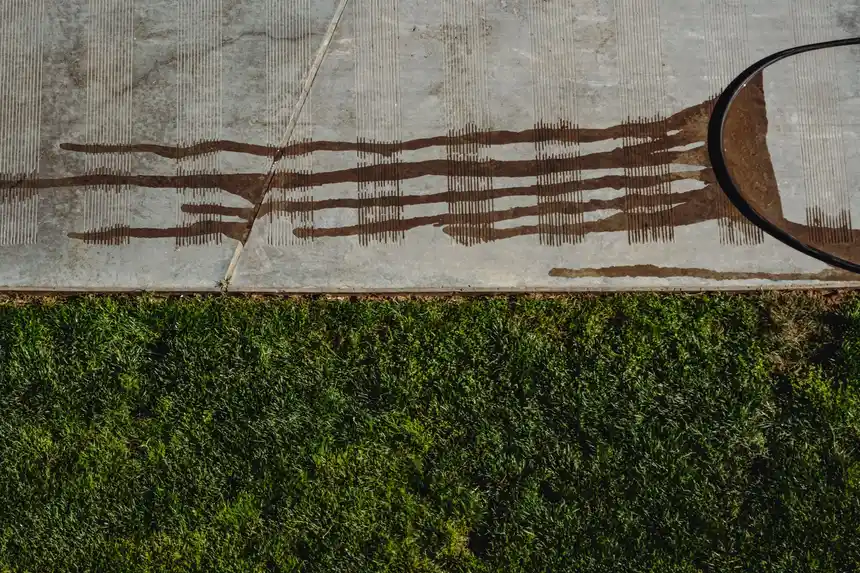
Moisture rising through the slab ruins tile, laminate, and hardwood. In coastal Laguna Niguel humidity, that damp area becomes a mold problem within weeks. The longer it sits, the more flooring you replace. We use a thermal imaging camera and moisture meter to confirm the source is the cold water line and not a drain or irrigation issue. Then we repair the pipe and dry the slab before any flooring goes back down.
Saturated soil expands and shifts, which cracks the slab and can move door frames and drywall. If the water source is not stopped, structural repair becomes the bigger invoice down the road. We fix the cold water line first, then document the foundation condition with photos and measurements. If the cracking needs a foundation specialist, we tell you straight and hand over the documentation.
A pinhole cold water leak can waste 10,000 to 30,000 gallons a month. That is real money every billing cycle, and it does not fix itself. The longer you wait, the more likely the leak grows into a full pipe failure. We isolate the cold side, confirm the loss with a pressure gauge, and locate the break with electronic detection equipment. Most repairs are completed in one day, and your next bill reflects the fix.
Our technicians hold California Contractor License (C-36 Plumbing) credentials and work to IAPMO Uniform Plumbing Code (UPC) standards on every job. We have opened slabs in Laguna Niguel, Laguna Hills, Aliso Viejo, and Dana Point, and we know how the housing stock here behaves. Copper from the 1970s pits differently than 1990s builds. Soil conditions near the coast accelerate corrosion. That local pattern recognition is why we can often tell you what we expect to find before we cut.
The clearest sign is a water meter that keeps spinning with every fixture shut off. Other signals include a water bill that jumped $80 or more in one cycle, a warm or damp spot on the floor, the sound of running water when the house is quiet, and cracks appearing in tile or drywall. We confirm with a pressure gauge and acoustic detection before recommending any repair.
Typical 2026 pricing in Laguna Niguel runs $450 to $1,200 for detection plus a spot repair, and $2,500 to $6,500 for a full reroute that bypasses the slab. Cost depends on access, pipe material, how deep the line sits, and whether flooring needs to come up. We quote both options before any work starts.
Yes, in many cases. A reroute abandons the under-slab line and runs new PEX tubing through the attic or interior walls, so the slab stays intact. That approach often makes sense for older copper systems with multiple weak points. For a single isolated failure, a small access cut is usually faster and less expensive.
The most common causes are under-slab pipe corrosion from decades of hard water, pipe joint failure at original solder connections, abrasive soil shifting under the slab, and pressure spikes from the municipal supply. Homes built in the 1970s and 1980s around Laguna Niguel are the most frequent callers because their original copper has reached the end of its service life.
Not seeing your question? Our local team can help you understand urgency, scheduling and what to expect.
Ask the local team
Our core service covers any under-slab pipe failure, hot or cold. If detection points to a cold water line, this is the parent job we perform. We handle access, repair, pressure testing, and concrete patching in one visit for Laguna Niguel homes.
View service
Before any cold water line repair, we confirm the leak location with acoustic and thermal tools. Detection is the step that keeps concrete cutting small. We map the line and mark the break so the repair crew knows exactly where to open.
View service
Water rising through your floor at 2 a.m. is an emergency. We run 24/7 dispatch for Laguna Niguel and can shut down the cold side, stop the loss, and schedule the permanent repair for the next available window. Call (949) 593-2386.
View service
This covers any pipe running beneath the concrete, including drain lines and supply lines. When the cold water line is the culprit, the repair approach is the same: locate, isolate, fix, and test. We document the repair for future reference.
View serviceReach us at (949) 593-2386 any time, day or night. We answer live, ask the right questions about your water bill and floor symptoms, and dispatch a technician with detection gear. Most calls in Laguna Niguel and the 92677 area get a tech on site the same day.