Focused arrival windows
Useful updates and clear arrival timing.
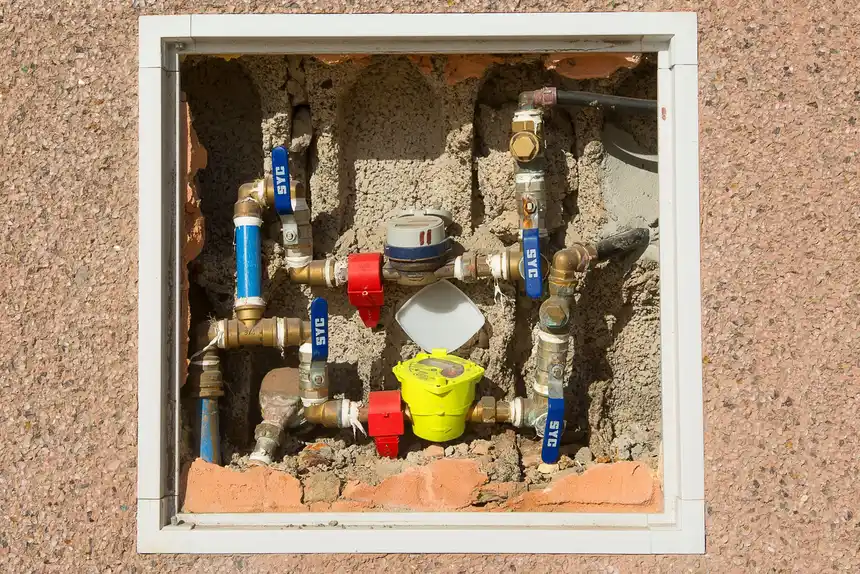
A Slab Leak Inspection Laguna Niguel CA homeowners call us for starts with your water meter, not a jackhammer. We listen to your lines with acoustic microphones, scan the floor with a thermal imaging camera, and confirm the leak before anyone cuts concrete. If your bill jumped, a warm spot appeared on the tile, or the meter keeps spinning with everything off, we find the source and give you a straight answer the same day.
Useful updates and clear arrival timing.
Review the approach and price before deciding.
Equipped vehicles and respectful cleanup.
Neighbors serving neighbors with follow-through.
Every inspection includes the full diagnostic package below. Repair, rerouting, and concrete patching are quoted separately once we know what we are dealing with, so you are never paying for work you have not approved.
We shut the system down, isolate the hot and cold branches, and pressurize each one with a calibrated gauge. A steady pressure drop on one side tells us which line is leaking before we touch the floor.
A LeakTronics acoustic microphone and listening disc let us hear pressurized water escaping a pipe through concrete. We grid the slab and confirm the loudest point twice so the location is reliable.
A Fluke thermal imaging camera reveals the warm streak a hot water leak leaves under tile or carpet. We cross-check with a moisture meter and infrared thermometer to rule out old stains.
A SubSurface Instruments pipe locator and RIDGID SeeSnake camera confirm depth, routing, and whether the line is copper, PEX, PVC, or CPVC. That determines the repair approach and access size.
You get pressure readings, thermal images, a marked location on the floor, and a plain-language summary. That package works for insurance, HOA, and escrow documentation.
We quote repair, rerouting, and trenchless options side by side with real numbers. You pick what fits your budget, and we schedule the work when you are ready.
Share what is happening and receive a clear next step from the local team.
A slab leak inspection is a non-invasive search for water escaping from a pressurized pipe buried under your concrete foundation. We isolate the hot and cold systems, pressurize each one with a calibrated gauge, and watch for pressure drop. Then we walk the slab with an acoustic leak detection microphone and a thermal imaging camera to hear and see where water is moving. A moisture meter and infrared thermometer confirm the pattern. Nothing gets opened until the location is confirmed within inches.
Laguna Niguel sits on clay-heavy soil and a lot of 1970s through 1990s tract housing with original copper pipe under the slab. That copper is now 30 to 50 years old, and pinhole corrosion, joint failure, and abrasion against rebar are common. If you need a slab leak assessment Laguna Niguel CA residents trust, we handle the whole diagnosis in one visit, usually in two to four hours. Call (949) 593-2386 and we will tell you what we find before we quote anything.

We shut every fixture, watch the water meter for movement, then isolate the hot and cold systems and pressurize each with a calibrated gauge. A steady drop tells us which line is leaking. This takes about 20 minutes and costs you nothing in demolition.
Using a LeakTronics acoustic leak detection microphone and a listening disc, we walk the slab in a grid and listen for the hiss of pressurized water escaping a pipe. Copper and PEX tubing both transmit sound differently, so we adjust the gain and confirm the loudest point twice.
A Fluke thermal imaging camera shows the warm streak a hot water leak leaves under tile or carpet. We cross-check with a moisture meter and infrared thermometer to separate an active leak from old staining or a spilled bucket. This step usually takes 30 to 45 minutes.
Where access allows, we run a RIDGID SeeSnake video pipe inspection camera or a SubSurface Instruments pipe locator to confirm pipe depth, material, and routing. That tells us whether the line is copper, PEX, or CPVC and how deep the cut needs to go.
We mark the location on your floor, hand you the pressure readings and images, and walk you through repair, rerouting, or trenchless options with pricing. You decide on the spot or sleep on it. No pressure, no surprise charges.
Amplifies the sound of pressurized water escaping a pipe so we can hear the leak through concrete and flooring.
Shows the warm streak a hot water line leak leaves under tile or carpet, and helps separate active leaks from old staining.
Confirms pipe material, condition, and routing inside the line where access allows, so we know what we are repairing.
Traces buried pipe paths and depth through concrete, which tells us exactly where to cut and how deep to go.
Isolates hot and cold systems and measures pressure drop to confirm which line is leaking before any demolition.
Maps how far water has spread through the slab and flooring so we can size the repair and check for secondary damage.
Powers the cutting, inspection, and line-clearing work once the leak is located and repair begins.
We shut every fixture, isolate the hot and cold branches, and pressurize each separately with a calibrated gauge. A steady drop on one side confirms the leaking line. This is the first step on every inspection because it prevents wasted demolition.
We walk the slab in a grid with an acoustic microphone and listening disc, adjusting gain for copper or PEX tubing. The loudest confirmed point becomes our target, usually within a few inches of the actual break.
Thermal imaging shows the warm path of a hot leak, and a moisture meter confirms the wet footprint of a cold one. Using both keeps us from chasing old stains or a spilled bucket.
Every repair we recommend and perform is built to the Uniform Plumbing Code, with proper materials, fittings, and pressure testing. We pull permits when the scope requires it and document the work.
When digging is not the best answer, we evaluate trenchless pipe repair equipment and rerouting through the attic or walls. You get both quotes side by side so the decision is yours.
We run a full slab leak inspection before buying a home in Laguna Niguel, including pressure testing both lines and thermal scanning the main living areas. You get a written report with images you can use in negotiations. You know exactly what you are buying and can negotiate repair credits or walk away with confidence.
We isolate hot and cold, pressure-test each line, and locate the leak acoustically. If it is a cold water line leak under slab, we confirm with a pipe locator before recommending access. The leak gets found and fixed, and your next bill drops back to normal usage.
Thermal imaging confirms the hot water line leak under slab, and acoustic listening narrows the location to a small area. We quote repair and rerouting side by side. One small access cut, a repaired line, and no more heat bleeding through your floor.
We inspect the unit, map moisture with a meter, and confirm whether the source is a supply line or a drain issue. Property managers get a written report for their records. The right problem gets fixed the first time, and the tenant stops calling.
Laguna Niguel is mostly hillside tract housing built between the 1970s and 1990s, and a lot of it still runs original copper pipe under the slab. That copper is now past its expected service life, and the clay-heavy soil plus seasonal irrigation cycles put steady stress on it. We see pinhole corrosion, joint failure, and abrasion against rebar more than anything else. Summer heat and dry soil cause minor slab movement, which is when a lot of these leaks open up. Winter rain then pushes water against the foundation and makes an existing leak more visible. If you want to know how to inspect for a slab leak in Laguna Niguel CA, start with the meter: shut everything off and watch it. If it moves, call us. We run slab leak inspection services Laguna Niguel wide, from Marina Hills to Niguel West, and we know which streets have post-tension slabs that need a different access approach.
Mostly 1980s and 1990s builds with original copper under the slab. Hot water line leaks show up as warm tile in hallways and bathrooms.
Older housing stock with copper supply lines that are now at the end of their service life. We see joint failure and pinhole corrosion regularly here.
Mix of tract homes and condos, some with post-tension slabs. Access planning matters more here, so we confirm pipe routing before any cut.
Hillside lots with clay soil and irrigation-heavy landscaping. Seasonal soil movement opens small leaks that grow fast in summer.
Newer builds with PEX tubing, where leaks are more often at fittings and manifolds than in the pipe itself.
Seasonal soil movement stresses buried copper and opens small leaks at joints. We see a spike in calls each spring and fall when the soil shifts.
Pipe that is 30 to 50 years old is prone to pinhole corrosion and joint failure. We inspect the whole system, not just the current leak, so you know what is next.
Cutting into a post-tension slab requires planning and confirmation of cable location. We confirm routing with a pipe locator before recommending access.
Dry soil pulls away from the foundation and increases pipe stress. Leaks that start in summer often become visible in the first winter rain.
A homeowner noticed warm tile in the hallway and a gas bill that climbed $60 in two months. The water heater was running constantly. No visible water, no obvious leak, and the meter spun with every fixture off.
We isolated the hot line, confirmed a pressure drop, and located the break within four inches using acoustic listening and thermal imaging. One tile came up, the copper section was replaced, and the line held 80 psi on the re-test. The gas bill dropped back to normal the next cycle.
Maintenance: We recommended a full hot line pressure test every two years and an annual meter check. Catching the next pinhole early keeps the repair small.
A buyer was 10 days from closing on a 1978 home. The seller's disclosure said no known plumbing issues, but the buyer wanted a slab leak inspection before buying a home in Laguna Niguel. The cold line showed a slow pressure drop during the test.
We located a cold water line leak under the living room slab and documented it with thermal images and pressure readings. The buyer used the report to negotiate a $4,200 repair credit at closing. The repair was completed after escrow closed.
Maintenance: We suggested a follow-up pressure test 12 months after repair and a whole-system inspection if any other line shows a drop.
A homeowner called at 11 p.m. with water seeping through the kitchen slab and a baseboard that was already damp. The meter was spinning fast. The kitchen was unusable and the family was worried about mold.
We shut the main, isolated the cold line, and confirmed the leak within 40 minutes. The failed joint was repaired the next morning, the slab was patched with concrete patching compound, and the baseboard was dried and replaced. Total downtime was under 18 hours.
Maintenance: We recommended a moisture meter check on the surrounding slab every few months for the first year and a full inspection if the meter ever spins again.
Most slab leaks announce themselves before they do real damage. Here are the four we see most often in Laguna Niguel, what happens if you wait, and how we handle each one.
A hidden under-slab leak can waste thousands of gallons a month and quietly soften the soil under your foundation. We watch the water meter with every fixture off, isolate hot and cold, and pressure-test each line. Once we confirm the leak, we locate it acoustically and give you a repair quote the same day.
That is a hot water line leak under slab. Left alone, it erodes the slab, lifts tile, and drives up your gas bill as the water heater runs constantly. We confirm it with a thermal imaging camera and moisture meter, locate the exact break, and repair or reroute the line. Most hot line repairs close in one day with one small access cut.
Moisture wicks into drywall, flooring, and framing, and can trigger mold within days. It also signals a foundation crack from leak pressure building up. We map the moisture spread, find the source line, and repair it before patching the concrete. If the slab has already cracked, we coordinate the pipe repair with foundation assessment.
That hiss is pressurized water escaping a pipe joint failure under slab. It will not stop on its own and gets worse with every hot water cycle. Acoustic listening and a listening disc pinpoint the noise to within inches. We confirm with a pressure test, then repair the failed joint or section and re-test the whole line before closing up.
Most inspections run $180 to $450 in 2026, depending on how many lines we isolate and whether camera confirmation is needed. That fee covers pressure testing, acoustic listening, thermal imaging, and a written location report. If you approve the repair the same day, we credit a portion of the inspection toward the work. Call (949) 593-2386 for a flat quote before we roll a truck.
It includes a water meter check, hot and cold pressure isolation with a calibrated gauge, acoustic leak detection with a microphone and listening disc, thermal imaging, and moisture mapping. We confirm pipe material and depth with a locator or SeeSnake camera where access allows. You leave with marked location, readings, and images, plus repair options and pricing in writing.
Yes. Acoustic microphones hear pressurized water escaping a pipe through concrete, and thermal imaging shows the warm streak a hot water line leak under slab leaves behind. We have located leaks under tile, carpet, and hardwood without opening the floor first. If the leak is under a thick pour or a post-tension slab, we confirm with a pipe locator before recommending any cut.
Look for a licensed C-36 plumbing contractor who pressure-tests and thermally images before cutting, and who gives you the findings in writing. We do both on every call, we are bonded and insured, and we work to the Uniform Plumbing Code. Ask any company whether they confirm location before demolition. If the answer is no, keep calling.
Not seeing your question? Our local team can help you understand urgency, scheduling and what to expect.
Ask the local team
Once inspection confirms the break, we open a small access point, cut out the failed section, and rebuild it with new copper or PEX. Most repairs close in one day, and we pressure-test the line before we patch the concrete.
View serviceDetection is the diagnostic half of what we do: meter checks, pressure isolation, acoustic listening, and thermal scanning. It pairs directly with inspection so you get a confirmed location and a repair plan in the same visit.
View serviceWater coming up through the floor at midnight needs a shutoff and a fast answer. We run 24/7 emergency calls across Laguna Niguel, isolate the leaking line, and stop the damage before we schedule the permanent repair.
View serviceFor leaks beneath the foundation pour, we tunnel or cut a limited access point rather than breaking up the whole room. Inspection tells us exactly where to dig, which keeps the repair small and the flooring intact.
View service
Reach us at (949) 593-2386 any time, day or night. We answer live, ask the right questions about your water bill and floor symptoms, and dispatch a technician with detection gear. Most calls in Laguna Niguel and the 92677 area get a tech on site the same day.