Focused arrival windows
Useful updates and clear arrival timing.
Kitchen Slab Leak Repair in Laguna Niguel is what we do when water is creeping up through your kitchen floor and you cannot see where it starts. We pinpoint the break with acoustic and electronic gear, open only what we must, and fix the line. If you need a kitchen slab leak fix Laguna Niguel CA homeowners can count on, call (949) 593-2386.
Useful updates and clear arrival timing.
Review the approach and price before deciding.
Equipped vehicles and respectful cleanup.
Neighbors serving neighbors with follow-through.
One call covers detection, repair, and putting your kitchen back together. Here is what is built into every kitchen slab leak repair in Laguna Niguel we run, and what we handle as an add-on only if you want it.
Acoustic microphone sweep, thermal imaging, moisture mapping, and pressure isolation to pinpoint the break within inches. This is included in every job, not billed as a separate service call.
We cut the smallest access point the repair allows, isolate the failed section, and repair or replace it with code-correct copper or Uponor PEX and proper fittings. All materials are included in the quoted price.
Before we close anything up, we pressure-test the repaired line and confirm the meter holds steady with all fixtures off. You see the test result yourself. No guessing whether the leak is actually fixed.
We patch the access point with concrete patching compound, level it, and haul away all debris. Your kitchen is left clean and ready to use, with the floor restored to a safe walking surface.
Every repair carries a written warranty on parts and labor. We walk you through what we did, show you the repair location, and explain what to watch for going forward. You get it in writing before we leave.
Share what is happening and receive a clear next step from the local team.
Kitchen Slab Leak Repair in Laguna Niguel is the process of locating and repairing a failed water line buried beneath your kitchen's concrete slab, then restoring the floor above it. The slab itself is not the problem. The copper pipe, PEX tubing, or older CPVC running through or under it is. A pinhole in a hot water line under slab can push out 30 to 60 gallons a day before you ever see a puddle, and that water has to go somewhere. It soaks the soil, lifts flooring, and finds the path of least resistance into your cabinets.
Most kitchens we open in Laguna Niguel are 25 to 45 years old, which puts them right in the window where under-slab pipe corrosion shows up. Warm spots on the tile, a water meter spinning with every fixture off, and a jump in your bill of $80 to $200 a month are the usual first clues. If you have been searching kitchen slab leak repair near me Laguna Niguel and putting it off, the clock is running on your foundation and your flooring.

You call (949) 593-2386 and describe what you are seeing: warm spot, spinning meter, damp cabinet base. We ask a few questions, give you a ballpark range, and book a same-day or next-morning visit. If it is an active flood, we treat it as an emergency and roll a truck immediately.
We start with a pressure gauge on the system and a moisture meter on the floor, then run an acoustic leak detection microphone and thermal imaging camera across the kitchen. A video pipe inspection camera confirms pipe material and condition. This stage takes 45 to 90 minutes and tells us exactly where to cut.
You get one number before we touch the slab. We explain whether spot repair, pipe rerouting, or epoxy pipe lining makes the most sense for your line, and why. You decide. Nothing starts until you say go.
We cut a precise access point, isolate the failed section, and repair or reroute the line using code-correct copper or Uponor PEX and proper fittings. Most kitchen jobs run four to eight hours of on-site work. We keep the cut as small as the repair allows.
We pressure-test the line, watch the meter hold steady, then patch the slab with concrete patching compound and leave the area clean. You get a walkthrough of what we did, what to watch for, and how the warranty works. No loose ends.
Picks up the sound of pressurized water escaping a pipe under concrete. We use it to narrow the leak location to within inches before any cutting begins.
Reveals temperature differences on the floor surface caused by hot water line leaks. A warm streak on the thermal image points us straight to the break.
Lets us see inside the pipe to confirm material, condition, and the exact failure point. This is how we decide between spot repair and reroute.
Amplifies and filters leak sounds for precise location, especially on cold water lines where thermal imaging gives less signal.
Confirms which line is leaking and maps how far moisture has spread through the slab and surrounding materials.
Allows us to restore many failed lines through small access points, avoiding full slab demolition and preserving finished flooring.
We isolate the hot and cold sides of the system separately and watch the pressure gauge. Whichever side loses pressure is the leaking line. This narrows the search before we bring in acoustic gear, saving time and cutting guesswork.
With the line pressurized, we sweep the floor with a listening disc and acoustic microphone, marking the loudest point. Combined with thermal imaging, this gets us within a few inches of the break in most kitchens.
For suitable lines, we restore the pipe from the inside using epoxy pipe lining or pull a new line through the old path. This avoids large concrete cuts and is ideal when the failed section sits under finished tile.
Every repair is built to UPC standards for pipe material, fittings, support, and slab restoration. That means the work passes inspection and holds up long-term, not just until the next owner moves in.
We treat this as a probable hot water line leak under slab. A thermal imaging camera confirms the hot spot, and pressure isolation verifies the line. We repair the failed section, usually within a 2 to 3 square foot access area. The warm spot disappears within a day of the repair, and the tile is saved in most cases when caught early.
We run a full system pressure test, isolate the kitchen line, and use acoustic detection to find the break. If the leak is under the slab, we repair it and verify the meter holds steady afterward. Your next bill returns to normal, and you avoid the foundation damage that months of hidden water would cause.
We perform a full slab leak inspection with moisture mapping and pressure testing, document findings, and complete any needed repair with a written warranty the buyer can review. The transaction moves forward with a documented repair, and you avoid a last-minute price renegotiation.
This is an emergency call. We dispatch 24/7, shut down the affected line on arrival, and stabilize the situation. The full repair is scheduled for the next available slot, often the same day. The active water stops within the hour, and the permanent repair is completed with minimal additional disruption.
Laguna Niguel sits on clay-heavy soil that swells in wet winters and shrinks in dry summers, and that movement stresses under-slab pipe joints year after year. Most of the housing stock here went up between the late 1960s and the 1990s, which means a lot of original copper pipe is now at the end of its service life. Hot water lines fail first because heat accelerates corrosion from the inside. We see the same pattern repeat across ZIP 92677 and 92607: a pinhole starts in a hot line, water saturates the soil, and within a few months the kitchen floor shows a warm spot or the water meter starts spinning. Our approach is built for this. We use electronic detection to find the break without tearing up the room, then repair or reroute the line to UPC standards. If you need a kitchen slab leak fix near me Laguna Niguel 24/7, we run emergency dispatch around the clock and most addresses get a truck the same day. We also serve Laguna Hills, Aliso Viejo, Mission Viejo, Dana Point, San Clemente, San Juan Capistrano, Laguna Beach, and Lake Forest.
Larger custom homes with long under-slab runs. Hot water lines here often fail at joints near the kitchen island, where the run changes direction.
Homes from the 1980s with original copper. We see a high rate of hot water line pinhole leaks in kitchens along the west-facing walls.
Mix of older and newer construction. Slab leaks here often show up as warm tile near the kitchen sink, with the break under the cabinet base.
Established neighborhood with mature landscaping. Tree roots occasionally contribute to soil movement that stresses under-slab joints.
This movement stresses pipe joints under the slab and is the leading cause of slow leaks that go undetected for months. We account for it when deciding between spot repair and reroute.
Copper at this age is prone to pinhole leaks, especially on hot water lines. We assess the whole run, not just the failed spot, so you know what to expect going forward.
Dry soil pulls away from the slab and can shift pipe support. We check for abrasion points during detection and address them as part of the repair.
Newer materials fail differently, often at fittings rather than along the pipe. Our detection approach adjusts to the material we find during inspection.
A homeowner in Marina Hills noticed a warm patch on the kitchen tile that stayed warm with the heat off. The water bill had climbed $120 over two months. No visible water, but the meter was spinning slowly with everything shut off.
We pinpointed a pinhole in the hot water line under the tile, cut a 2-foot access point, and repaired the copper section. Pressure test held steady. The tile was reset the same day, and the next water bill dropped back to normal.
Maintenance: We recommended a full hot-side pressure test every 18 months on the remaining original copper, since one pinhole often signals more coming.
A Bear Brand Ranch homeowner called after the water meter kept spinning overnight with every fixture off. No warm spot, no visible water. The leak was on the cold side and had been running for weeks, saturating the soil under the kitchen slab.
Acoustic detection located the break under the cabinet base. We rerouted the cold line through the wall instead of cutting the finished floor, completed the repair in one day, and verified the meter stopped moving. No tile was disturbed.
Maintenance: We advised monitoring the water meter monthly and suggested a slab leak inspection in two years to check the remaining cold line runs.
A homeowner in Rancho Niguel called at 11 p.m. with water seeping up through the kitchen floor. The line was actively leaking and the floor was wet across a 4-foot area. They had shut off the main but did not know where the break was.
We dispatched a tech within the hour, confirmed the leak location with electronic detection, and isolated the line. The full repair was completed the next morning with a 3-foot access point, patched and pressure-tested before we left.
Maintenance: We recommended a moisture check on the surrounding cabinets after 30 days and a follow-up meter reading to confirm no secondary leaks.
These are the calls we get most often from Laguna Niguel kitchens, and what happens when they are left alone too long.
A hot water line under slab is leaking and heating the concrete above it. Left alone, the moisture spreads, thinset fails, and tile starts to lift and crack within weeks. We isolate the hot side with a pressure gauge, confirm the break with a thermal imaging camera, and repair the failed section. Most warm-spot jobs are caught early enough to save the existing tile.
An active leak is running somewhere on your system, and it is adding 30 to 60 gallons a day to your usage. Your bill climbs, the soil under the slab saturates, and foundation risk rises with every week. We run a full pressure isolation test to confirm which line is leaking, then pinpoint it with acoustic gear. Once located, we repair the line and verify the meter stops moving before we leave.
Water is wicking up through the slab into the cabinet. Particle board swells, mold starts within 48 to 72 hours, and the cabinet often has to be replaced if the leak runs more than a couple of weeks. We map moisture with a moisture meter, trace the source under the slab, and repair the line. We also advise on cabinet drying so you can save the unit when possible.
Sustained under-slab moisture softens the soil and lets the slab settle unevenly. A hairline crack can widen to a structural issue that costs five figures to address. We repair the leaking line first, then assess the crack and soil condition. Stopping the water is the critical first step, and we handle it the same day.
We are a state-licensed plumbing contractor working Orange County slabs every week, and kitchen lines are a big part of that. Our techs are trained on RIDGID SeeSnake inspection gear, LeakTronics acoustic equipment, and Fluke thermal cameras, and we work to IAPMO Uniform Plumbing Code standards on every repair. We carry backflow prevention certification and follow OSHA safety practices on every job site. That means the person under your kitchen sink knows what a 1970s copper line looks like from the inside and what it takes to make it hold.
Most kitchen slab leak repairs in Laguna Niguel run $450 to $2,800 in 2026, depending on access, pipe material, and whether we spot-repair or reroute. Detection alone is $180 to $450. A simple copper spot repair under tile sits near the low end. A full reroute through finished flooring pushes toward the top. You get the exact number before we start.
Often, yes. Trenchless pipe repair equipment and epoxy pipe lining let us restore many lines through a small access point at the cabinet base or an exterior wall, leaving the tile untouched. When the failed section sits directly under finished flooring, we still keep the cut as small as the repair allows, usually 2 to 3 square feet.
The three big causes here are under-slab pipe corrosion in 25 to 45 year old copper, pipe joint failure under slab from soil movement, and abrasion where pipe contacts gravel or rebar. Laguna Niguel's clay-heavy soil shifts with our wet winters and dry summers, and that movement stresses joints until they weep. Hot water lines fail first because heat accelerates corrosion.
Detection takes 45 to 90 minutes. The repair itself runs four to eight hours of on-site work for most kitchens, and we finish the slab patch the same day. If we reroute the line, plan on a full day. You are typically back to normal use the same evening, with a pressure test confirming the fix before we leave.
Not seeing your question? Our local team can help you understand urgency, scheduling and what to expect.
Ask the local team
The parent service behind every kitchen call we run. When the leak sits under a hallway, bathroom, or living room slab instead of the kitchen, this is the same crew, same detection gear, same warranty. We handle the whole slab, not just the kitchen.
View service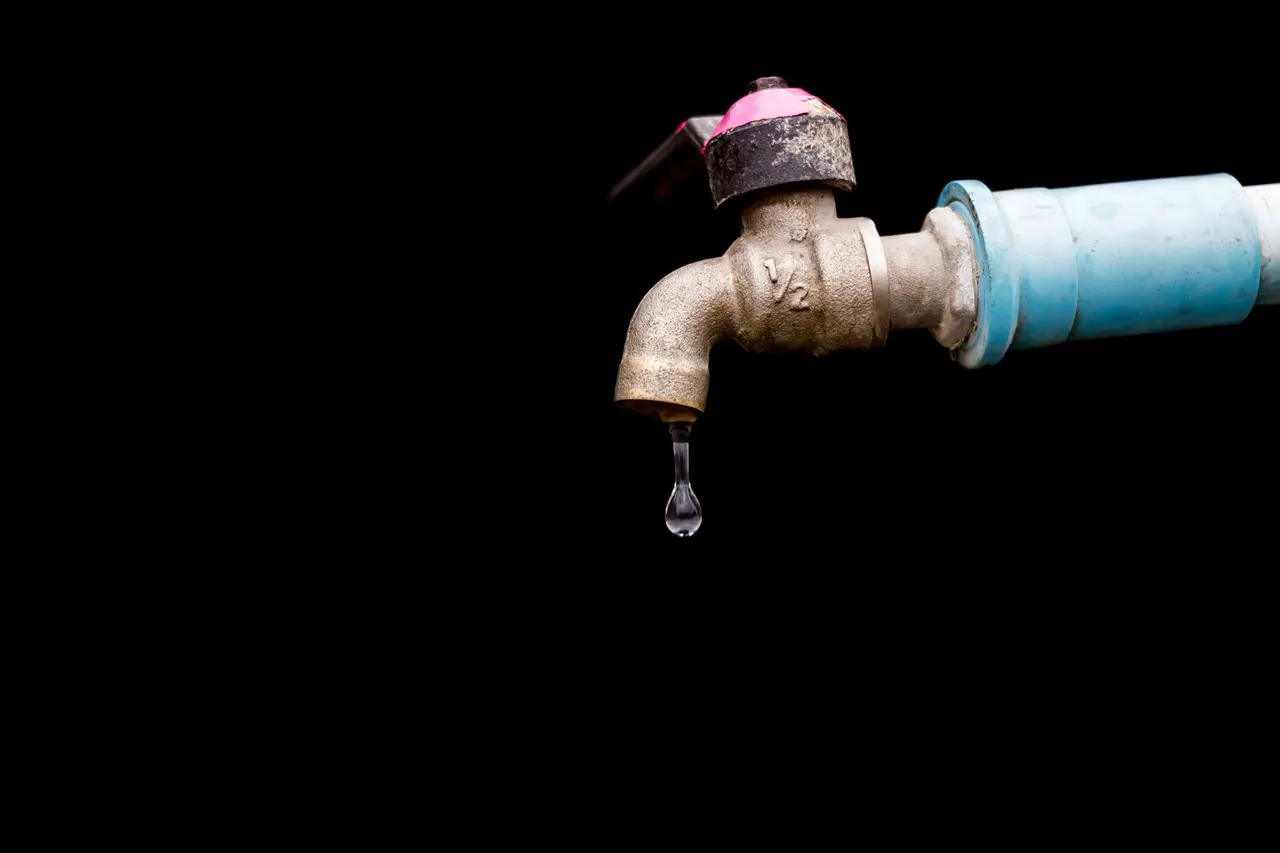
Detection always comes first. Acoustic microphones, thermal imaging, and pressure isolation pinpoint the break before we cut. For kitchen slab leak repair in Laguna Niguel, this step is what keeps the access point small and your flooring intact.
View service
Water moving across your kitchen floor at 2 a.m. is an emergency call. We run 24/7 dispatch and treat active kitchen slab leaks as priority jobs, shutting down the line and stabilizing the situation before the full repair.
View serviceKitchen lines are under-slab lines. This service covers the full scope of repairing pipe buried in concrete, including soil assessment, line isolation, and code-correct restoration of the slab above the repair.
View service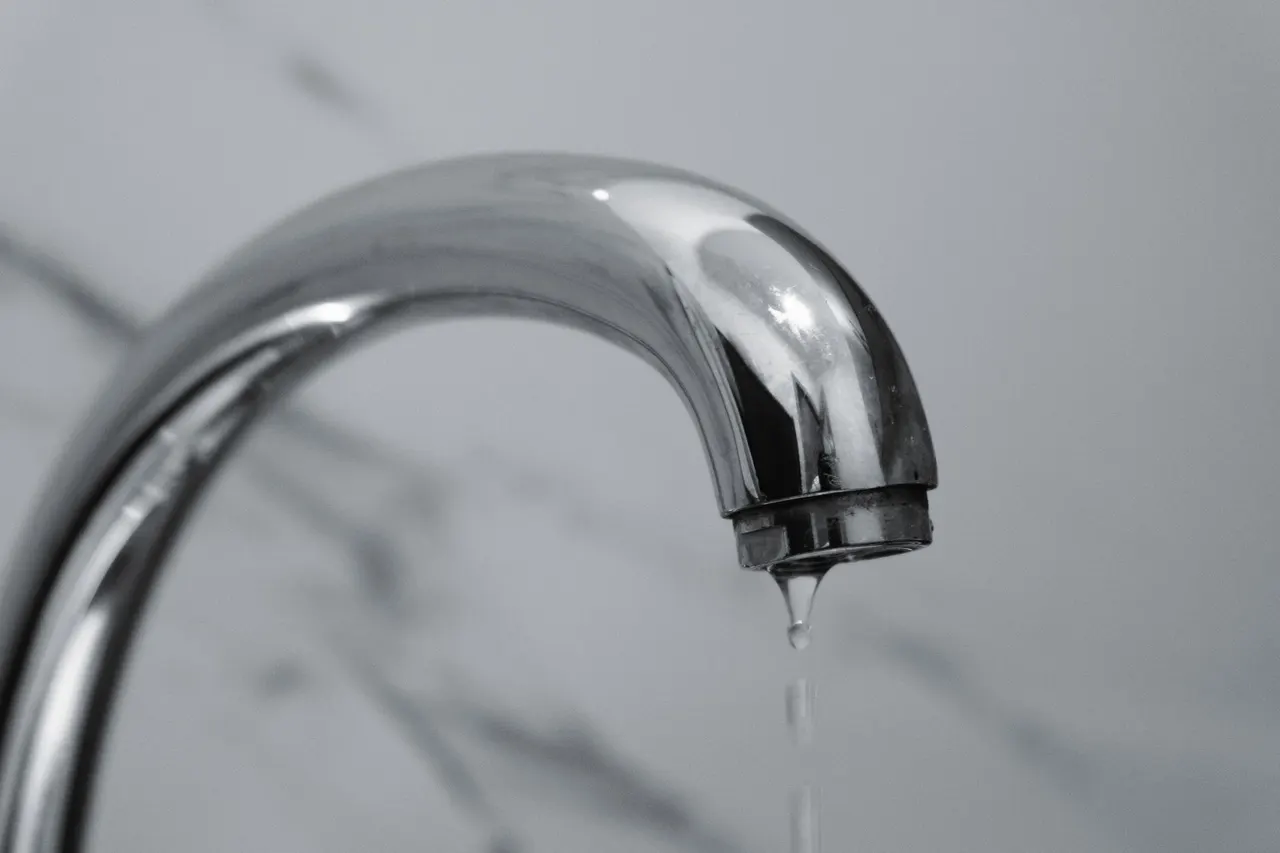
Reach us at (949) 593-2386 any time, day or night. We answer live, ask the right questions about your water bill and floor symptoms, and dispatch a technician with detection gear. Most calls in Laguna Niguel and the 92677 area get a tech on site the same day.