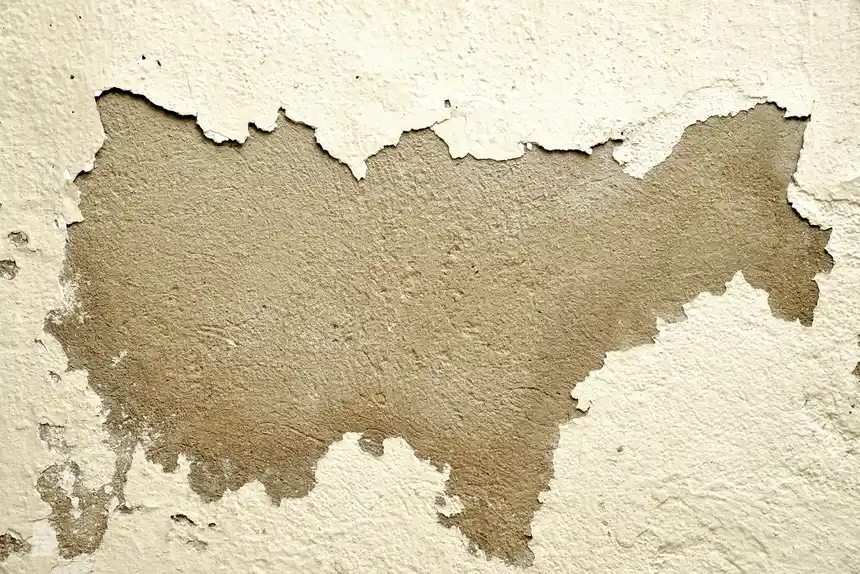
Slab leak repair for older homes in San Juan Capistrano
Older San Juan Capistrano homes hide slab leaks under original tile and cast iron lines. Here is how we find them, fix them, and what it costs in 2026.
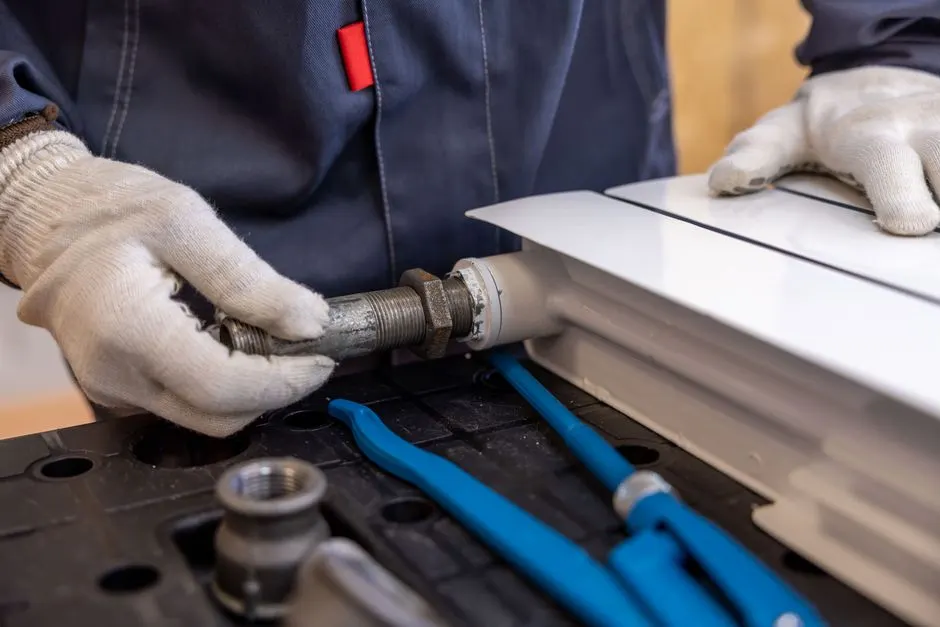
Slab leak repair for older homes in San Juan Capistrano is the process of locating water escaping from a pressurized pipe buried under your concrete foundation, then repairing or rerouting that line without destroying the house around it. In homes built between 1950 and 1985, the pipes under the slab are usually copper or galvanized steel that has been sitting in alkaline Southern California soil for 40 to 70 years. That is long enough for pinholes, joint failures, and full breaks to show up.
We handle these calls every week, and the fix is rarely as dramatic as homeowners fear. Below we cover why older homes leak, how we find the leak without jackhammering your whole floor, what repairs actually cost in 2026, and when a reroute beats a spot repair.
Why older San Juan Capistrano homes get slab leaks
San Juan Capistrano has one of the oldest housing stocks in South Orange County, and the plumbing under those homes reflects it. The Mission-era adobe structures downtown are one thing, but the real volume of slab leak work is in the tract homes built from the late 1950s through the early 1980s around Los Rios, Del Obispo, and the streets feeding into Camino Capistrano.
Three forces combine to break pipes under those slabs:
- Soil chemistry. South OC soil runs alkaline and often carries high chloride content. Copper pipe reacts to that over decades, forming pinholes from the outside in.
- Slab movement. Our clay-heavy soil expands when it is wet and shrinks hard in dry months. That flexes the pipe running through the slab and stresses every soldered joint.
- Original materials. Galvanized steel was common into the 1960s. It corrodes from the inside, and once the wall thins, the pipe weeps under the slab. Cast iron drain lines from the same era crack and shift the same way.
Water chemistry matters too. Hard water at 10 to 15 grains per gallon accelerates scale buildup inside hot water lines, which raises pressure at the joints and pushes them toward failure. If your home still has its original copper, you are on borrowed time - not because the pipe was bad, but because it has done its job for half a century.
We see the same pattern in neighboring cities. Homeowners searching for Slab Leak Repair in San Juan Capistrano are usually dealing with a 1960s or 1970s build, and the diagnosis is almost always the same: original pipe, alkaline soil, and a slab that has moved a half inch over 50 years.
Signs you have a slab leak in a vintage home
The signs of a slab leak in an older San Juan Capistrano home are easy to miss because they mimic other problems. A warm spot on the floor near the hallway bathroom is not a heating vent - it is a hot water line leaking under the slab. A water bill that jumped from $90 to $240 with no change in habits is not the city raising rates.
Watch for these:
- Warm or hot patches on the floor, especially under tile or original hardwood
- The sound of running water when every fixture is off
- Hairline cracks in the slab or tile grout that appeared suddenly
- Musty smell in a room with no obvious moisture source
- Water meter spinning with the main shutoff closed at the house
- Unexplained jump in the water bill of 30% or more
The meter test is the fastest way to confirm. Shut off every fixture and appliance, then watch the meter's leak indicator. If it moves, water is escaping somewhere between the meter and your fixtures - and in a single-story 1960s ranch home, that usually means under the slab.
One more thing: in older homes, a slab leak often shows up as a foundation symptom first. You may notice a door that sticks in summer and swings free in winter, or a crack running diagonally across the living room tile. That is why we sometimes get called out for Foundation Slab Leak Repair Laguna Niguel CA when the real issue is a pinhole in a copper line 18 inches below the surface.
How we detect slab leaks without tearing up your floor
We locate slab leaks in older San Juan Capistrano homes using acoustic and electronic equipment before we cut anything. The goal is to pinpoint the leak within a few inches so the repair is a small, targeted opening - not a trench across your living room.
Our detection process runs in this order:
- Pressure isolation. We isolate the hot and cold systems separately to determine which line is leaking.
- Acoustic listening. A ground microphone picks up the hiss of pressurized water escaping through a pinhole. On copper lines under 4-inch slabs, this is accurate to within 6 to 12 inches.
- Electronic leak detection. For slab-on-grade homes with post-tension cable or thick pours, we use impedance and tracer-gas methods that do not require drilling.
- Thermal imaging. Hot water leaks show up as a heat signature on the slab surface, which confirms the acoustic finding.
For a 1,800-square-foot ranch home, detection usually takes 60 to 90 minutes. We tell you what we found, where it is, and what the repair options are before we open the floor. If you want the full breakdown of the process, our Slab Leak Detection Laguna Niguel CA page walks through the equipment and what each method is best at.
Repair options for old pipes under a slab
There are three real repair paths for an older home, and the right one depends on the pipe material, the leak location, and how much original plumbing is left. We do not push reroutes on homes that only need a spot fix, and we do not spot-fix a system that is going to fail again in six months.
Spot repair
We open a small section of slab - usually 2 feet by 2 feet - cut out the failed section of copper, and replace it with new copper or PEX joined with a press fitting. This works when the leak is isolated and the surrounding pipe still tests clean. Typical cost in 2026 runs $1,200 to $2,800 depending on slab thickness and whether the floor is tile or hardwood.
Pipe rerouting
If the under-slab line has multiple pinholes or the pipe is galvanized steel, we abandon the buried section and run a new line through the attic or along the walls. No concrete is broken. The old line stays in the ground, capped and dry. Reroutes cost more up front - $3,500 to $7,500 for a typical single-story home - but they end the cycle of repeat leaks. Our Slab Leak Pipe Rerouting Laguna Niguel CA page covers how we route the new line and how we hide it.
Full repipe
When the whole system is original 1960s copper or galvanized, spot repairs become a losing game. A whole-home repipe replaces every supply line, usually with PEX, and takes the slab out of the equation permanently. For a 1,500 to 2,000 square foot home, expect $6,000 to $12,000 in 2026, including drywall patching.
Cast iron drain lines are a separate issue. They crack and shift under slabs too, but the repair is a drain line replacement or a trenchless liner, not a supply-side fix.
How much does slab leak repair for older homes cost in San Juan Capistrano?
Slab leak repair for older homes in San Juan Capistrano runs $1,200 to $2,800 for a spot repair, $3,500 to $7,500 for a reroute, and $6,000 to $12,000 for a full repipe in 2026. Detection alone is $250 to $550, and we credit that toward the repair when you hire us for the work.
What moves the number:
- Slab thickness. Post-tension slabs and 6-inch pours cost more to open and require cable-safe cutting.
- Flooring. Original Saltillo tile and 1960s hardwood are hard to match. We can sometimes lift and reset tile, but matching a 60-year-old glaze is not realistic.
- Access. A leak under a kitchen island or a bathroom vanity adds labor.
- Permits. The City of San Juan Capistrano requires a plumbing permit for supply line replacement. We pull it and include the fee in the quote.
We give you a flat price before we cut concrete. No hourly surprises, no change orders mid-job unless we open the slab and find something genuinely different from what detection showed.
How long does slab leak repair for older homes take in San Juan Capistrano?
A spot repair on an older San Juan Capistrano home takes one to two days from detection to water back on. A reroute takes two to four days. A full repipe runs five to ten working days, plus a day for drywall and paint.
Here is how a typical spot repair breaks down:
- Day 1 morning: detection and leak confirmation (60 to 90 minutes)
- Day 1 afternoon: concrete cutting, excavation, and pipe repair (4 to 6 hours)
- Day 2 morning: pressure test, concrete patch, and cure time
- Day 2 afternoon: flooring reset or temporary patch if tile is on order
Concrete needs 24 to 48 hours to cure before we reset tile or hardwood. If your flooring is on backorder, we leave a safe, level patch and come back when the material arrives. We do not leave you without water - the repaired line is live the same day the concrete goes back.
Common mistakes we see homeowners make
The most expensive mistake is ignoring a small leak because the water bill only went up $40. A pinhole the size of a pinhead can release 10,000 gallons a month and slowly undermine the slab under your foundation. By the time the floor cracks, you are paying for both plumbing and foundation work.
Other mistakes we see in older San Juan Capistrano homes:
- Hiring a leak detection company that does not do repairs. You pay twice - once for detection, once for a plumber who has to re-find the leak.
- Spot-repairing galvanized pipe. It will fail again within a year. Galvanized steel corrodes from the inside out, so the pipe that looks fine next to the leak is usually just as thin.
- Letting a handyman open the slab. Post-tension slabs have tensioned cables inside. Cutting one is a structural emergency and a five-figure repair.
- Skipping the permit. Unpermitted plumbing work becomes a disclosure problem when you sell, and San Juan Capistrano's building department does check.
- Replacing the floor before the leak is fixed. We have seen homeowners install $4,000 of new tile over a slab that was still weeping.
When to call a professional
Call us when the water meter moves with everything shut off, when you find a warm spot on the floor, or when your water bill jumps more than 20% in a single cycle. Those three signs point to a slab leak, and in an older home they get worse fast.
Slab Leak Laguna Niguel Pros handles older home slab leak repair across South Orange County, including San Juan Capistrano, Laguna Niguel, and the surrounding cities. We detect, repair, and test the line before we leave. If the leak turns out to be something simpler - a running toilet, a failed pressure regulator - we will tell you that instead of selling you a slab job.
Frequently Asked Questions
How much does slab leak repair for older homes cost in San Juan Capistrano?
In 2026, spot repairs run $1,200 to $2,800, reroutes $3,500 to $7,500, and full repipes $6,000 to $12,000. Detection is $250 to $550 and is credited toward the repair. Older homes with thick post-tension slabs or original tile floors land at the higher end.
Can you repair a slab leak in an older San Juan Capistrano home without breaking the floor?
Yes, if the leak is on a supply line that can be rerouted. We abandon the buried pipe and run a new line through the attic or walls, so no concrete is cut. Spot repairs require a small opening, usually 2 feet by 2 feet, directly over the leak.
What causes slab leaks in older homes in San Juan Capistrano CA?
Alkaline soil, slab movement from clay expansion, and 40-to-70-year-old copper or galvanized pipe. Hard water at 10 to 15 grains per gallon accelerates scale and joint stress. Most leaks we find are pinholes in original copper or full breaks at soldered joints.
How long does slab leak repair for older homes take in San Juan Capistrano?
A spot repair takes one to two days. A reroute takes two to four days. A full repipe takes five to ten working days plus drywall and paint. Concrete needs 24 to 48 hours to cure before flooring goes back down.
Who is the best older home slab leak repair near me in San Juan Capistrano CA?
Look for a licensed plumbing contractor who does both detection and repair in-house, pulls City of San Juan Capistrano permits, and gives a flat price before cutting concrete. We do all three. Call us and we will walk you through what we find.
Get help with Slab Leak Repair in Laguna Niguel
If your older San Juan Capistrano home has a warm floor, a spinning meter, or a water bill that will not come down, we can find the leak and fix it. We serve Laguna Niguel and the surrounding South OC cities with same-day detection and flat-rate repairs.
Call (949) 593-2386 and we will get a technician out to your home.